







Dropping Out Is a Question of Perspective
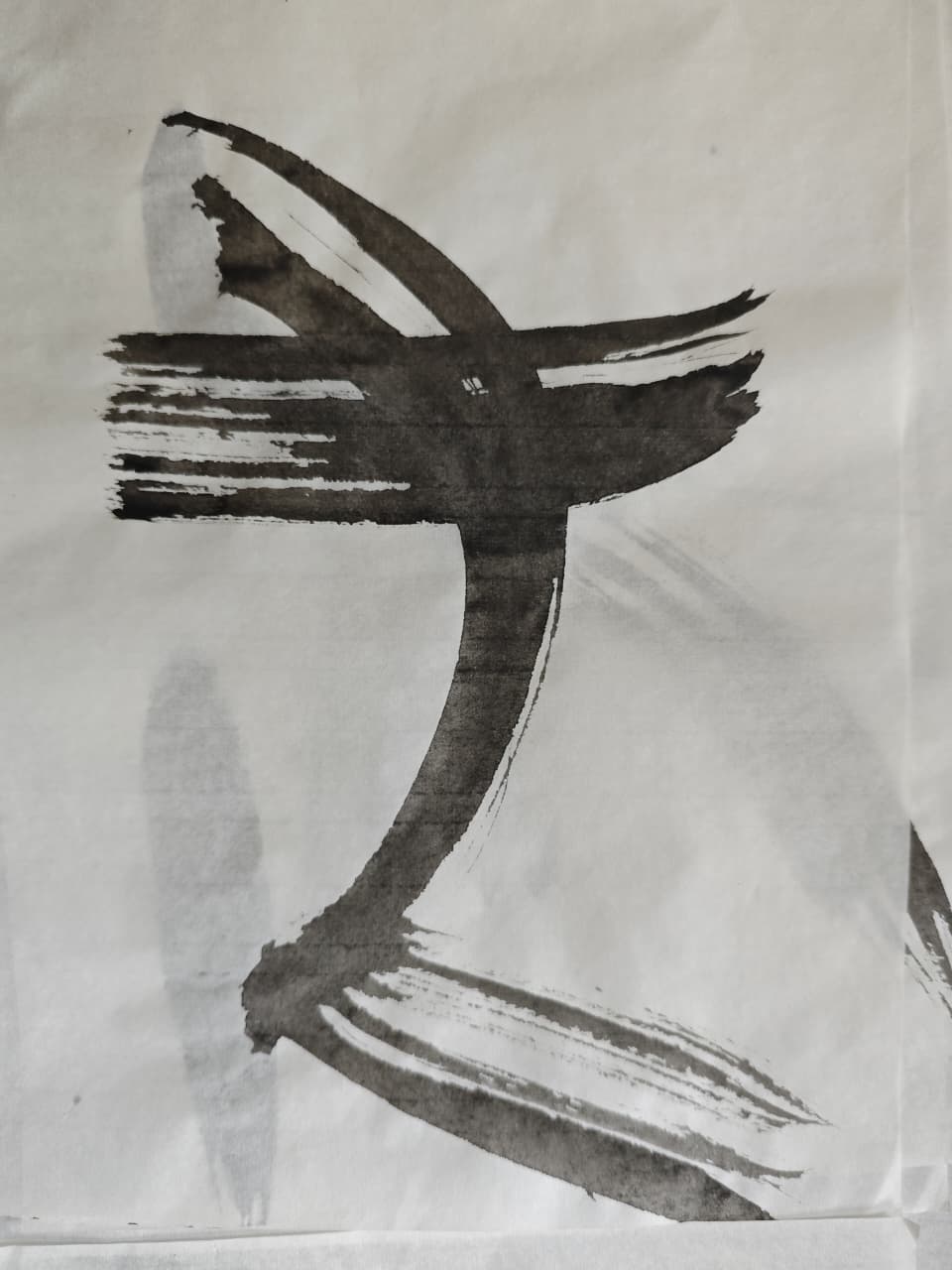
Life is so complex, and there are so many different ways of living. There is no right or wrong life. Life is a gift. But what do you say about the negative energies, destruction and aggression, greed and resentment? All of that belongs to it. There is only acceptance. But acceptance does not mean approving of everything, nor tolerating everything. If a community decides to establish rules and sanction violations of these rules, that too is a form of acceptance.…
Read more: Dropping Out Is a Question of Perspective
Moist Media
Our brain is not the seat of our mind, but the medium through which we can reach the spiritual. When I first heard this many years ago at a conference on media theory, I was astonished. Did they really mean this seriously? Is it crazy or brilliant? There is this beautiful old-fashioned word, ‘subtle matter.’ Our body is a medium through which we can reach this. Our media theories generally have in common that they are conceived technically. There is…
Read more: Moist Media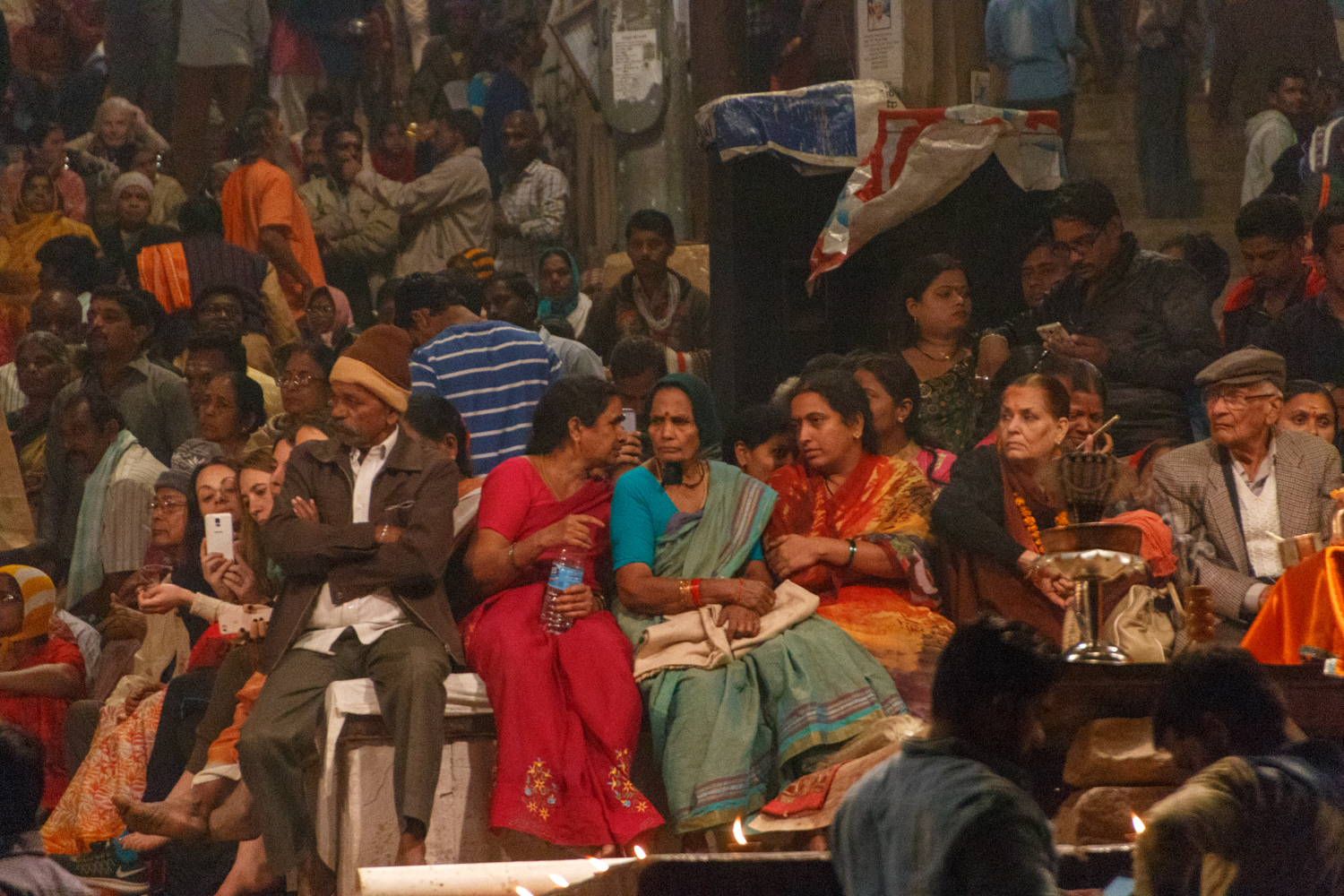
Carried by Feelings
I live in a hypercomplex society. I notice this already in political and social issues, which nobody can really grasp in their complexity anymore. We can hold on to principles, such as justice, equality, freedom, consideration, sustainability, etc. But in concrete terms, things already become difficult. In a conflict, should I take one side or the other, or is there a third possibility? Which of my own ways of acting should I change, and how radically should I do so,…
Read more: Carried by Feelings
Cinematograph—Images of Thinking
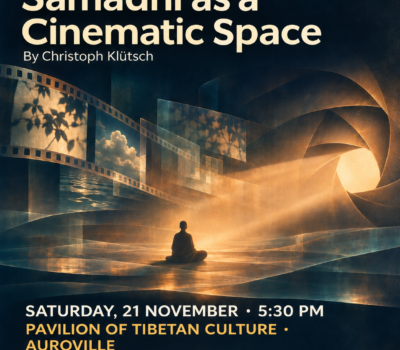
During meditation, I often watch my thinking, let thoughts come and go, and try to slow the thinking down. Thoughts come and go, and often I do not understand where they come from, and why at some point they are replaced by an entirely different thought. What chain of association is at work here? These chains of thought seem to be random, prompted by experiences that still resonate and are being processed further. This reminds me of a philosophical thought.…
Read more: Cinematograph—Images of Thinking
Elan Vital – Vital Impetus
I have always had a gut unease about an atomistic worldview. At school we learn that the smallest building blocks of the universe are atoms. Now physics has moved on; we speak of protons, electrons, positrons, quarks and strings, etc.… But at its core, the idea remains the same: the world is composed of the smallest parts of matter. This is such a widespread idea that few people doubt it, that is, doubt the exclusivity of this worldview. I expressly…
Read more: Elan Vital – Vital Impetus
How Do You Build a City?
I am embarking on an experiment. A city is being built in Auroville. It is dedicated to humanity. It is about exploring consciousness, about spirituality and unity. UNESCO supports the project, the state of India, many people around the world. There is a charter, a plan, many plans, many opinions, progress and difficulties. Nobody is perfect… I am going there to help, and so I do not want to comment now, before arriving there. That would be entirely presumptuous. But…
Read more: How Do You Build a City?
Social Utopia
One of the most consequential misunderstandings of recent generations is the confusion of economic and political theory. There seems almost to be a consensus that capitalism is understood as a political theory. There may be many reasons why capitalism must be understood politically. There are certainly also reasons why capitalism is often thought together with democracy. For many people, they are the same thing anyway. Democracy without capitalism or capitalism without democracy seems unimaginable to many. It sounds synonymous. This…
Read more: Social Utopia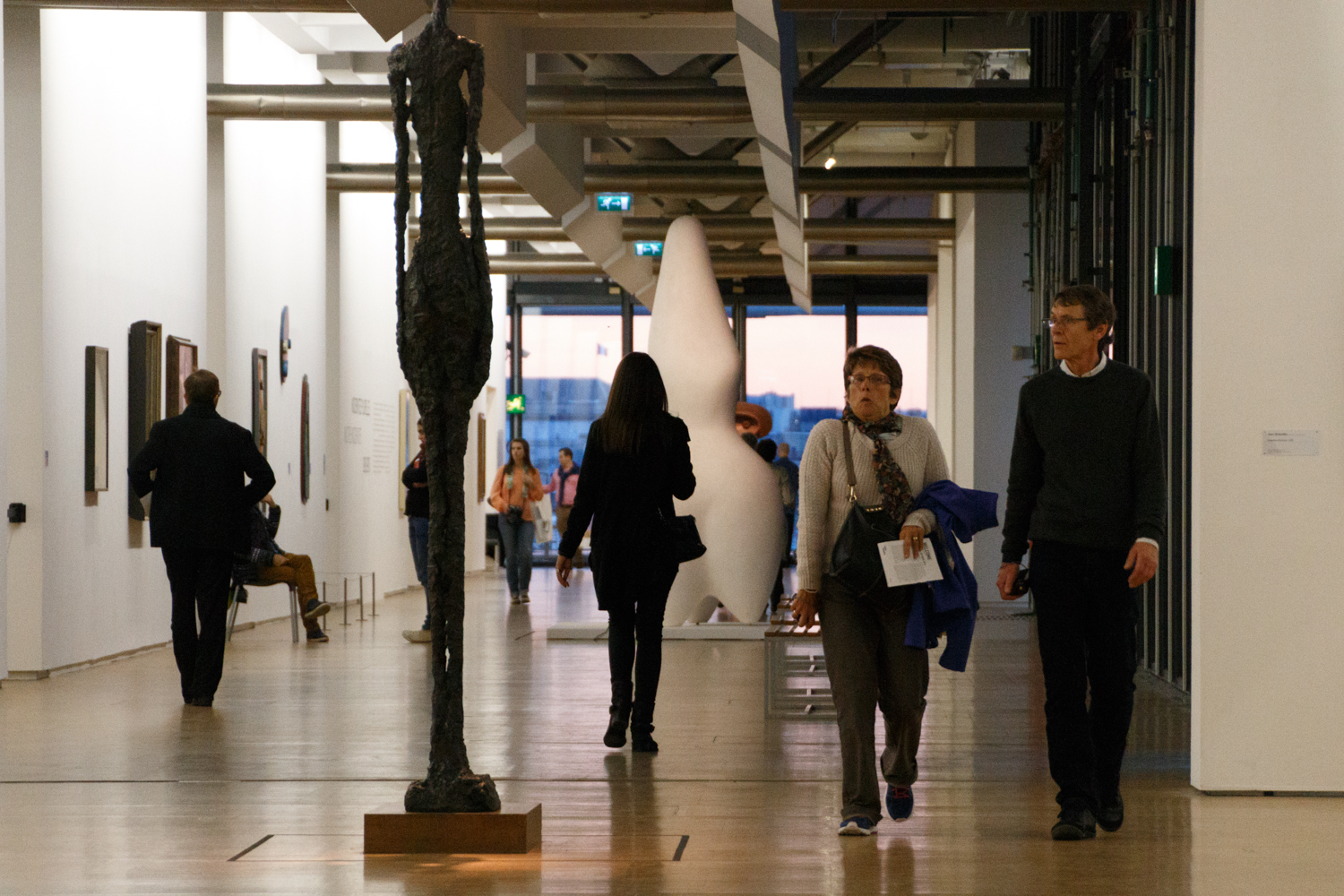
History of Ideas
I love complexity, but sometimes also radical simplification—to gain a little clarity. For example, the history of ideas in the visual arts. In Europe, after the great migrations, art history can be sketched in broad strokes as a history of ideas: In medieval art, stories were told visually – mainly the stories of the Bible. Most people could not read, after all, certainly not Latin or Greek. The wood-panel painting of the altars is therefore a kind of comic, and…
Read more: History of Ideas
Event Horizon
Black holes pose riddles for us. I am not a cosmologist and engage with black holes through popular science, with a philosophical interest. They mark a limit of our imagination. Gravitational force influences space and time, science says. Concentrated at one point, it compresses matter into its pure substance, squeezes atomic nuclei and electrons together into a mass (atoms consist largely of emptiness, after all). With its incredible gravitational force, this mass draws everything in and bends and distorts space…
Read more: Event Horizon
Sharing In
Today, after many years, perhaps for the first time I have arrived at the market here. There are so many economies here. Shopping – of course – following routines too… Efficiency – the most beautiful thing for the best price. Meeting people, looking out for acquaintances. What I never saw is the social. People know one another and play music for one another. Share coffee and quiche, stories, and sing together. How do you perceive a market, how do you…
Read more: Sharing In
Working on a Utopia
It is now definitely time to rethink. What our fathers and grandfathers called progress is destroying our planet. Science is not an end in itself, not everything technically possible is good, not everything that is fun and satisfies our senses is meaningful. Now we hear again and again from many sides that we should concentrate on the small steps in front of us; only in this way would we move forward together. This may occasionally be right too, but it…
Read more: Working on a Utopia
Plato’s Cave
In Plato’s allegory of the cave, people sit before a wall on which the shadows of the real objects of the world can be seen. Since they have seen only shadows throughout their lives, they think these are reality. The philosopher’s task is to explain to people that they should turn around to see how the apparatus of light, which serves as a projection mechanism, produces an illusion. Once people had recognized this, they would free themselves from the chains…
Read more: Plato’s Cave