I am back in Europe for a short time, and I see a busyness here, an energy of constant doing. Working, discussing, tidying up, running errands, fulfilling obligations, organizing, optimizing, presenting, questioning, exchanging. Something is always being done. To do something seems important; to do nothing seems unproductive and in need of justification. Yet not being productive has many important qualities. Sometimes non-action is a form of resistance, and a quiet turning inward can be understood as inner work —…
Ramana, one of India’s great enlightened ones, lived in Tiruvannamalai. At the center of his teaching stands the concept of the Self: its emptiness and, at the same time, its immeasurable vastness. His teaching is simple; he does not follow a long tradition of interpretation. He was a simple man who meditated on the mountain and held satsangs. He was a contemporary of Aurobindo; people listened to both of them and compared their radically different approaches. I am in Tiruvannamalai…
First Encounters with Ragas As a teenager, I listened to ragas for hours. I knew nothing about them. I looked up a little: microtonality, meditation, sequence of tones. I understood no more than that. But they were the deepest musical experiences — a meditation to music. To this day, ragas lead me inward or into deep states of insight that are not rational. Rather, they are a way of being in the world. Music as Shared Space and Pure Energy…
Contemporary art is obsessed with the “next step”: the avant-garde, the unprecedented, the new and unique. But in the hunt for the new, we lose sight of something essential: artistic practice itself. Artistic practice is not only about crossing boundaries. It belongs to those who use art for self-exploration, spiritual practice, healing, therapy, or craft. Yet in today’s culture, especially in the West, we act as though progress were the only thing that counts. At its core, however, art is…
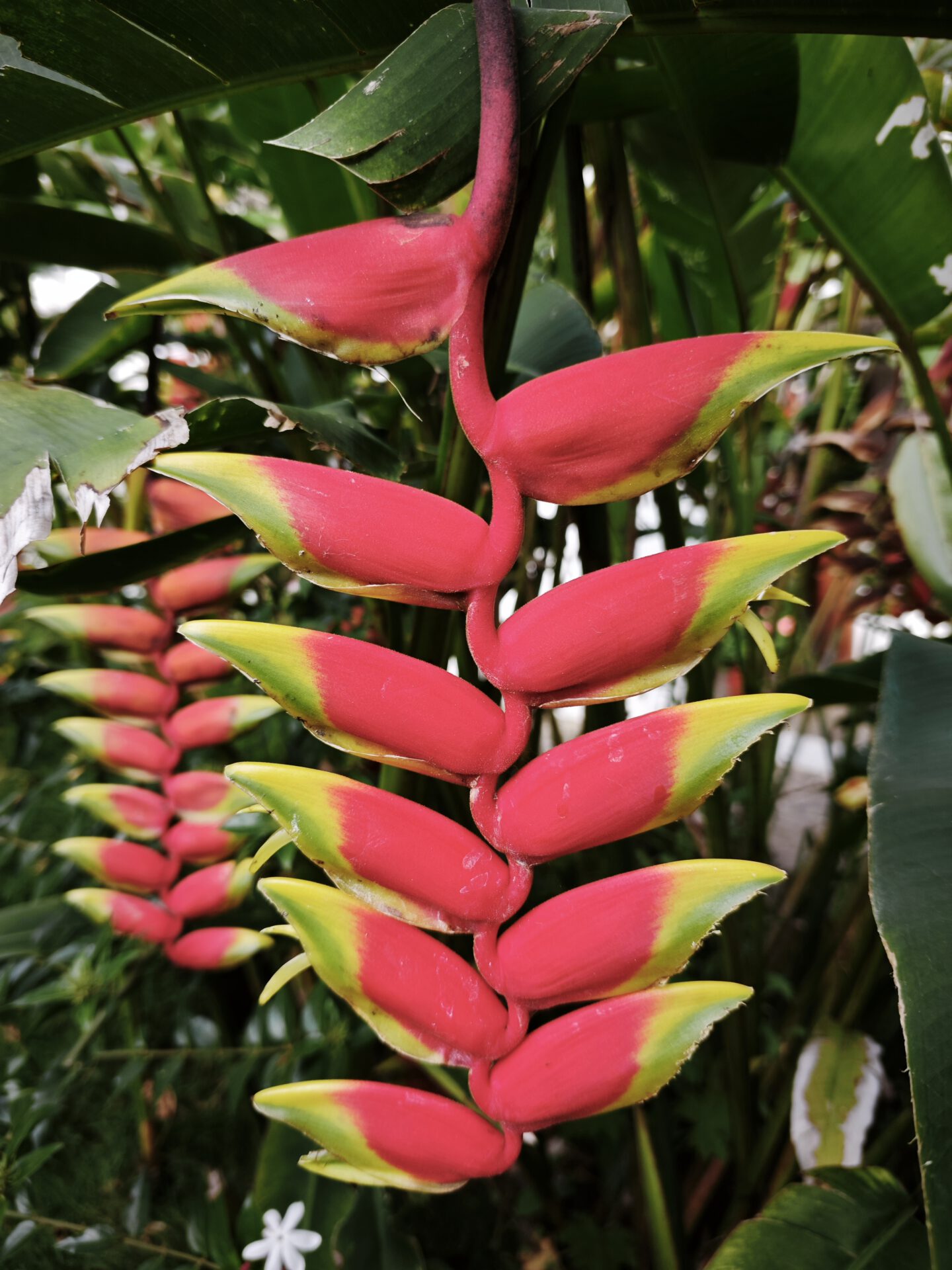
An apple, a strawberry, a melon or a passion fruit, a banana or plum, a tomato or cucumber, a bean or a grain, a coconut and a pomegranate. Fruits want to be consumed; they want to give pleasure, to nourish, and at times also to intoxicate. They shimmer and ferment, decay and give off scents; they catch the eye, bewitch the senses, generate pleasure and enjoyment. They are not quite like this by chance. Fruits mirror a desire in those…
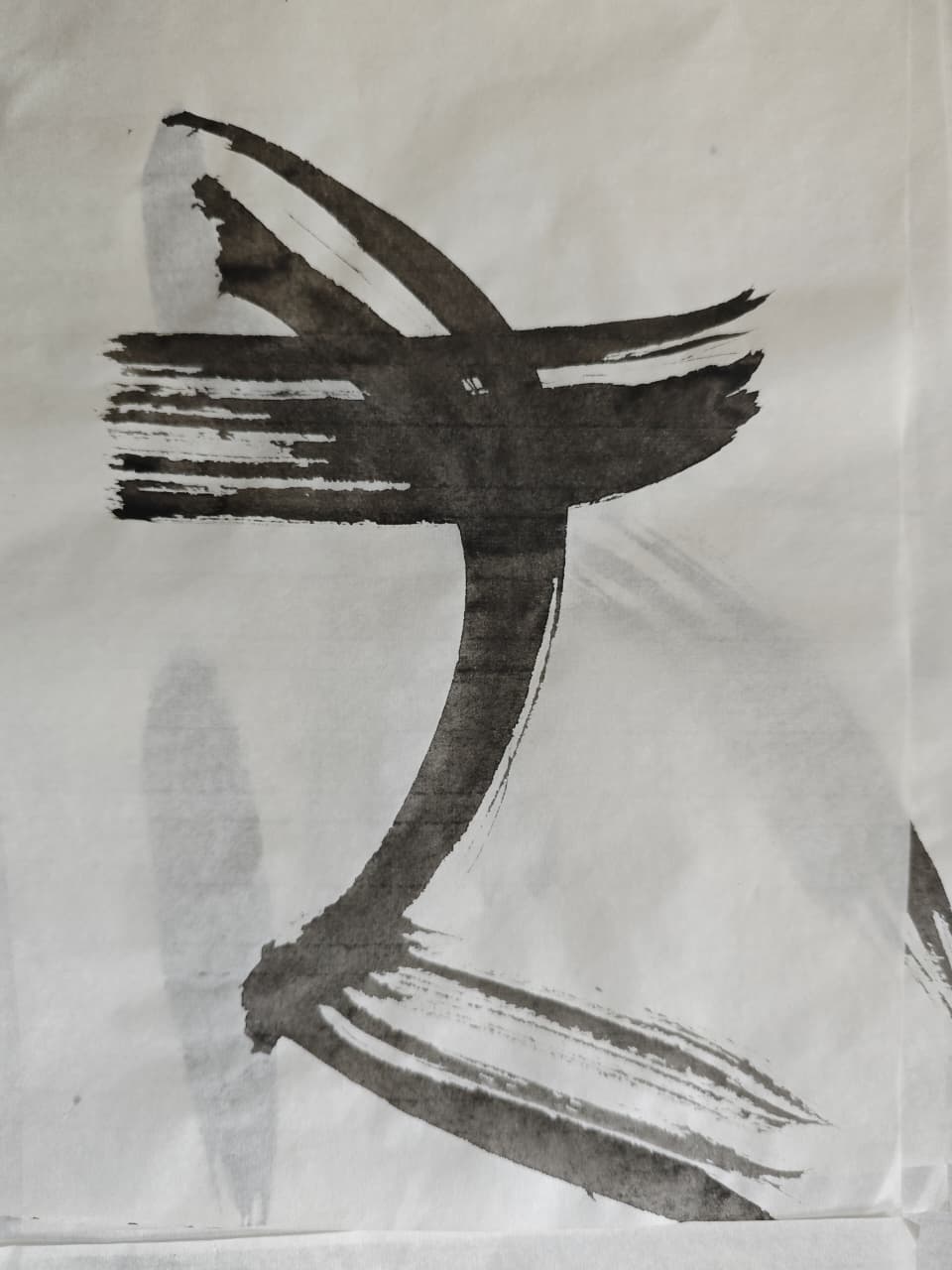
Bodhi Zendo I had ordered a book to take with me to Bodhi Zendo: “Zen in der Kunst der Tuschemalerei” (“Zen in the Art of Ink Painting”) by Katharina Shepherd-Kobel. It is a beautiful book; it speaks to me and nourishes my longing to learn ink painting and deepen my meditation. When I first entered into Zen meditation three and a half years ago, the impulse to go to Auroville awoke. The meditation in Bremen was strict. We followed the…
This is Tantra. This is divine. The decisive question is whether such a sacred encounter is possible only in romantic love, as tradition and Romanticism suggest — or whether it can arise when we open our being completely, beyond intellect and reason, beyond ego, desire, or obligation. I believe it can. But it has nothing to do with climax as a goal. It is about intimacy. It can be as simple as a touch, a smile, a heartbeat — sparks…
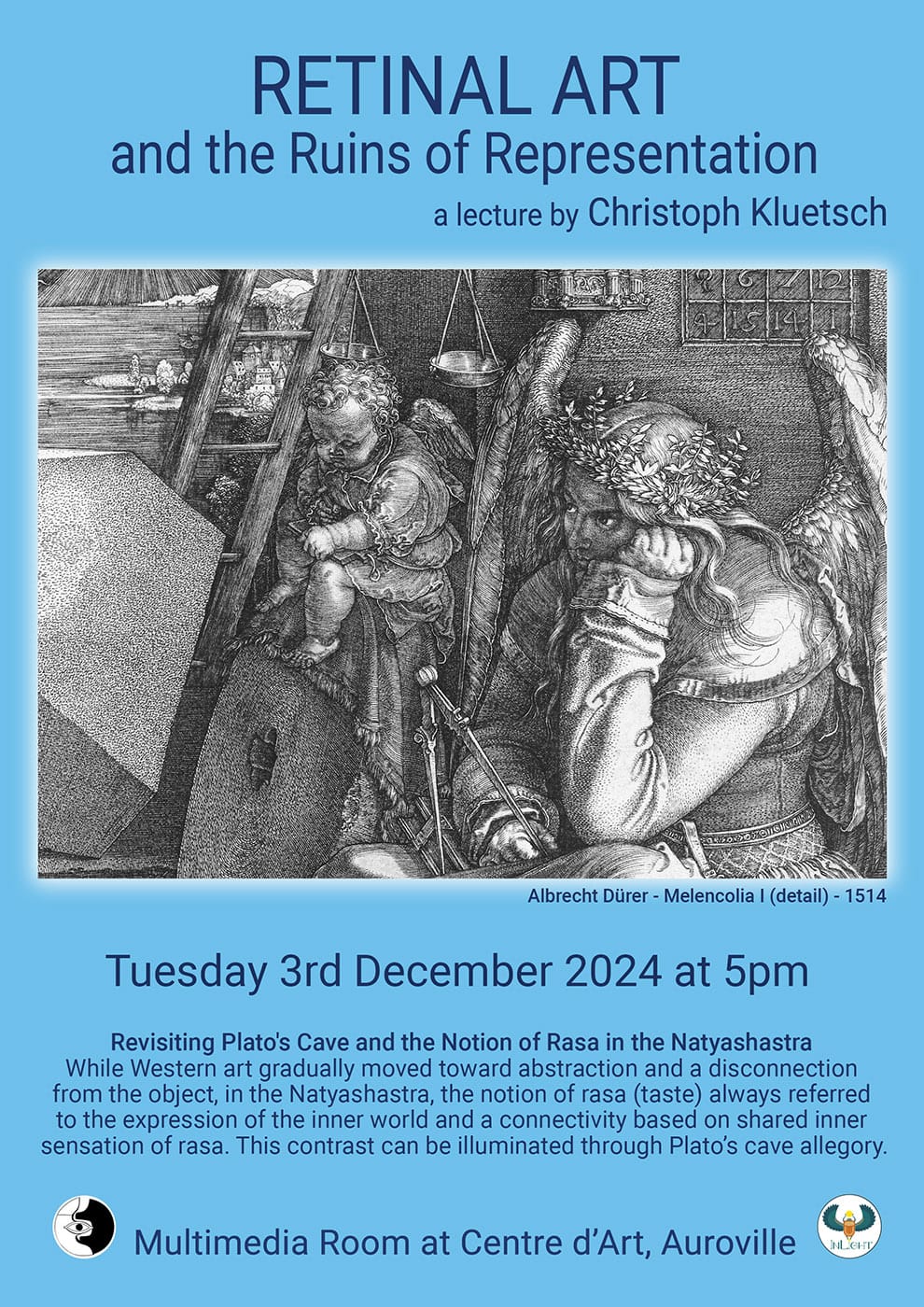
Retinal Art and the Ruins of Representation: Revisiting Plato’s Cave and the Notion of Rasa in the Natyashastra Christoph Kluetsch “Something in the world forces us to think. This something is not an object of recognition, but a fundamental encounter.” Gilles Deleuze – Difference and repetition p. 139 “Minds exist only in relation to other minds.” (Mihai Nadin) “even those elements designated as “basic” or “proto-elements” are not primitive but are, on the contrary, of a complex nature.” (Kandinsky, point……