An apple, a strawberry, a melon or a passion fruit, a banana or plum, a tomato or cucumber, a bean or a grain, a coconut and a pomegranate. Fruits want to be consumed; they want to give pleasure, to nourish, and at times also to intoxicate. They shimmer and ferment, decay and give off scents; they catch the eye, bewitch the senses, generate pleasure and enjoyment.
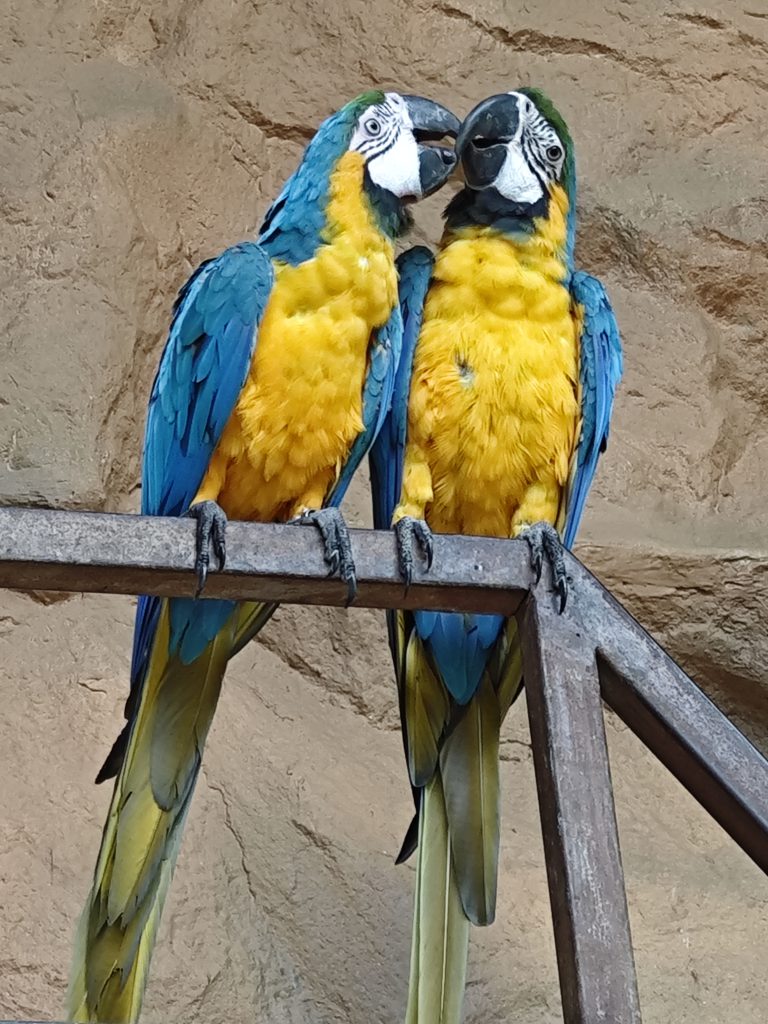
They are not quite like this by chance. Fruits mirror a desire in those who eat them: humans, horses, monkeys, ants, beetles, birds, fish, hedgehogs, dogs and cats, snails, spiders, snakes, flies, giraffes and parrots. They all respond to different fruits. Some fruits have a hard shell; others are entirely soft. Some are heavy and large, others small and light. Some are sweet or sour, bitter or salty; they smell intensely or very delicately, they stink or they enchant.
Fruits want to be eaten; this is how they move on. An apple says: take me with you. A strawberry wants to melt on the tongue. A passion fruit offers itself in its voluptuousness, tenderness, and intensity. A coconut wants to be cracked open, thrown and smashed, so that it may offer its flesh and juice as refreshment and nourishment. The bean hangs and waits; the grain catches in the fur; the tomato bursts cheekily in its redness, scarred, and nestles into the hand that grasps it.
Fruit and animal unite in enjoyment, in surrender and in seeking. The reward occurs in the ecstasy of consumption. The fruit reaches its aim, the animal is full, ecstasy and intoxication flare up in the act of eating. In the end there is shitting; fungi break apart what did not, in the fire of desire, give itself to the senses as stimulus.
These berries, stone fruits, legumes, accessory fruits, and caryopses are preceded by the blossom. That fragrance-releasing organ of stimulation in the plant, which lets itself be desired and inseminated. Its face speaks; it laughs and opens itself; it joins the dance of the wreath. Here nature reaches pure form: art and beauty, construction, dwelling place, and resting place. Nature sends a signal; it communicates; it acts in excess and intoxication.
I read Georges Bataille (1897–1962) many years ago, and he came back to me as I wrote this. One could say, then, that these fruits are not merely nourishment, but manifestations of excess itself, in which beauty, pleasure, decay, and excrement are inseparably entwined. As Bataille saw it, nature wants to be squandered in intoxication; it finds its truth in expenditure, in ecstasy and transgression. Every fruit we enjoy already carries within it the movement of life, death, and transgression.