Superficiality
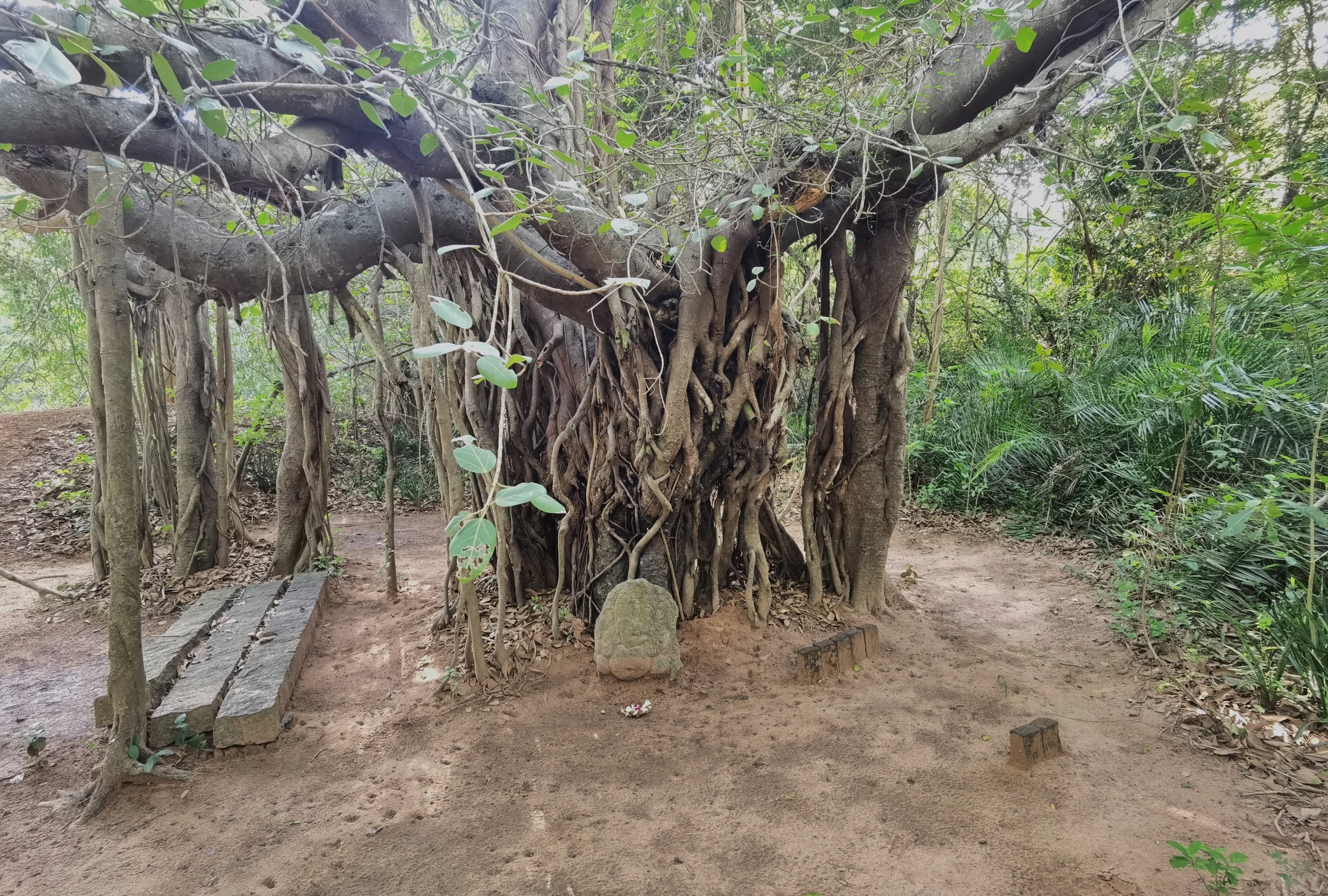
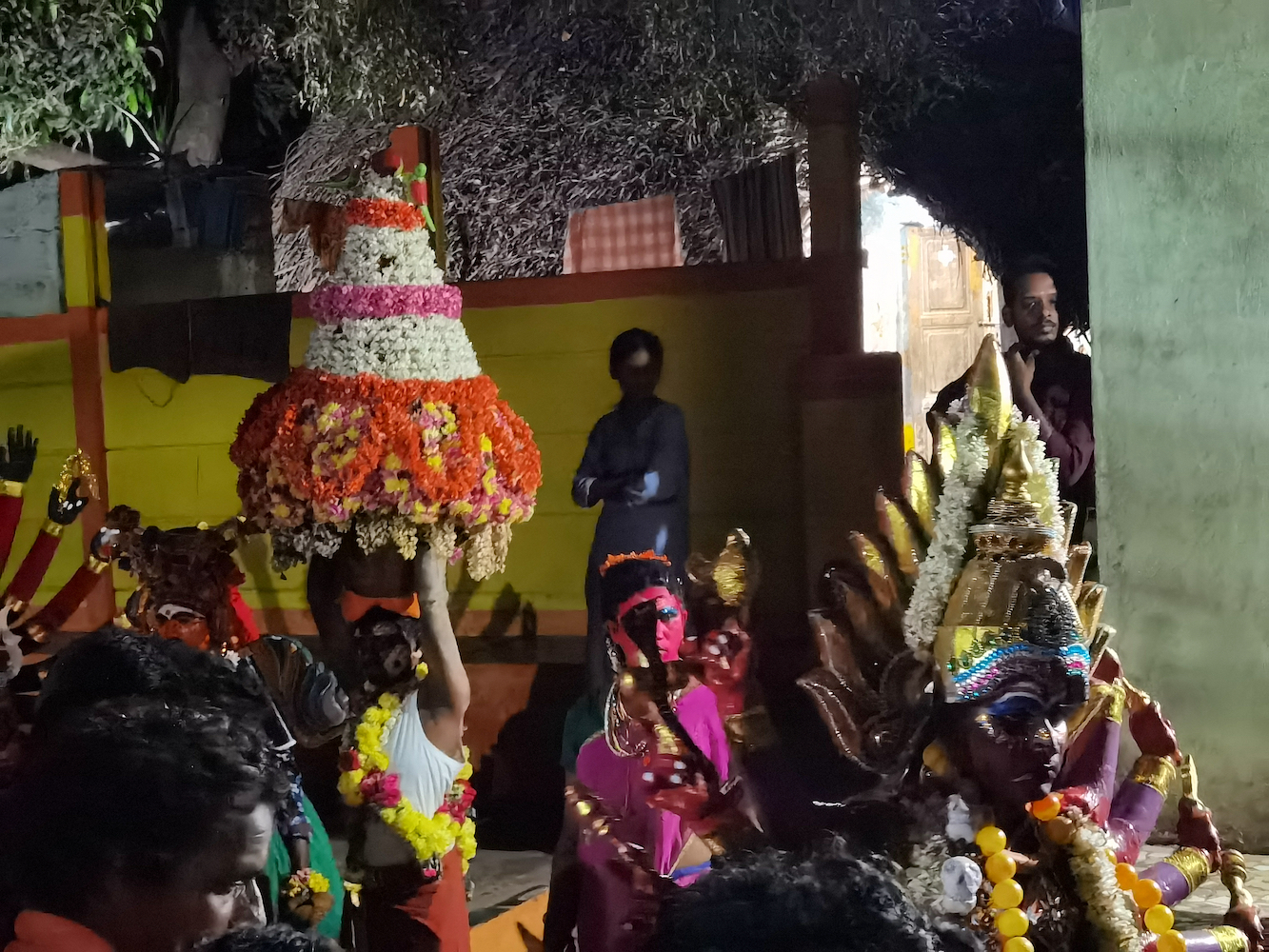
I am slowly penetrating a little deeper into superficiality. Concepts I have taken in from various systems of knowledge, such as the Vedas, Agamas, Shastras, are slowly connecting. I see rough root systems. For example, how the 5 elements (water, fire, earth, ether and air), as a starting point in the teachings of the Vedas, develop further in Vastu or Ayurveda, that is, into space and the body. I see how various systems of knowledge intertwine in the temple and…
Read more: Superficiality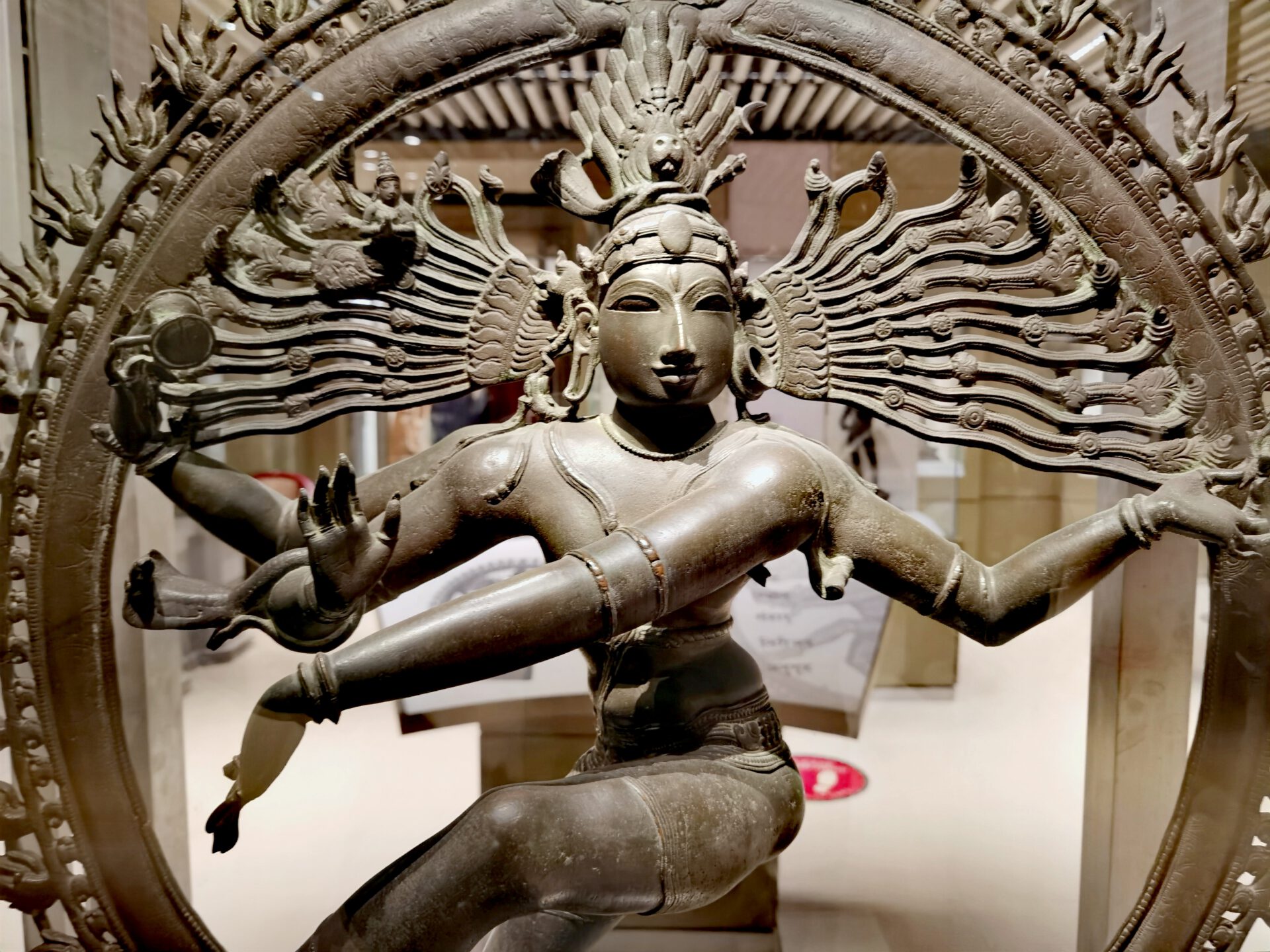
The Real
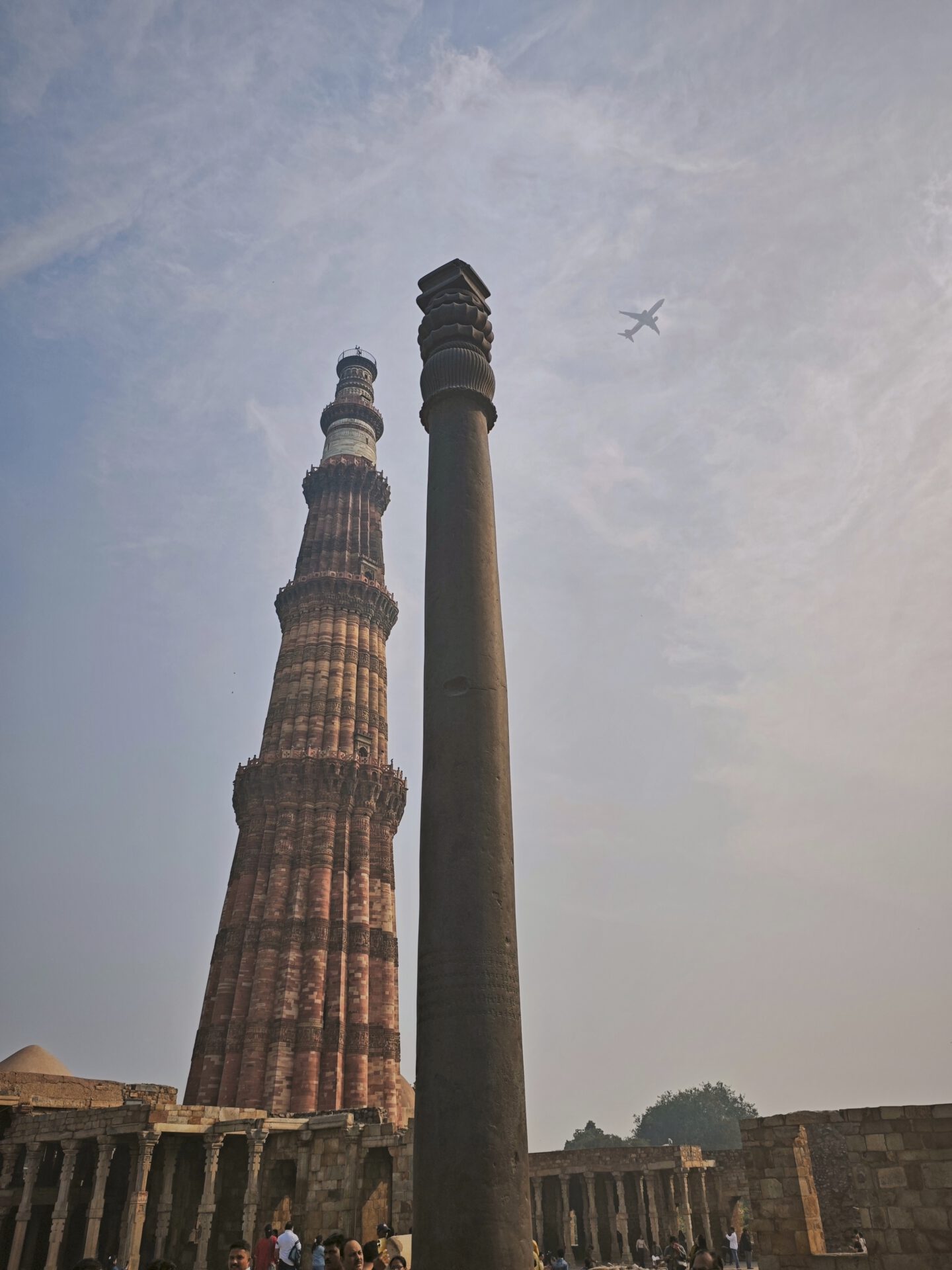
Yesterday, during a panel discussion at the India Art Fair, I heard someone quote Plato. She said Plato said art was the reflection of the reflection of the Real. Whether this is correct in such an abbreviated form can remain an open question for now. It is an interesting thought. What is the Real, what is a reflection, what is art? For Plato, there is the world of Ideas, the world of shadows that the ignorant person in the cave…
Read more: The Real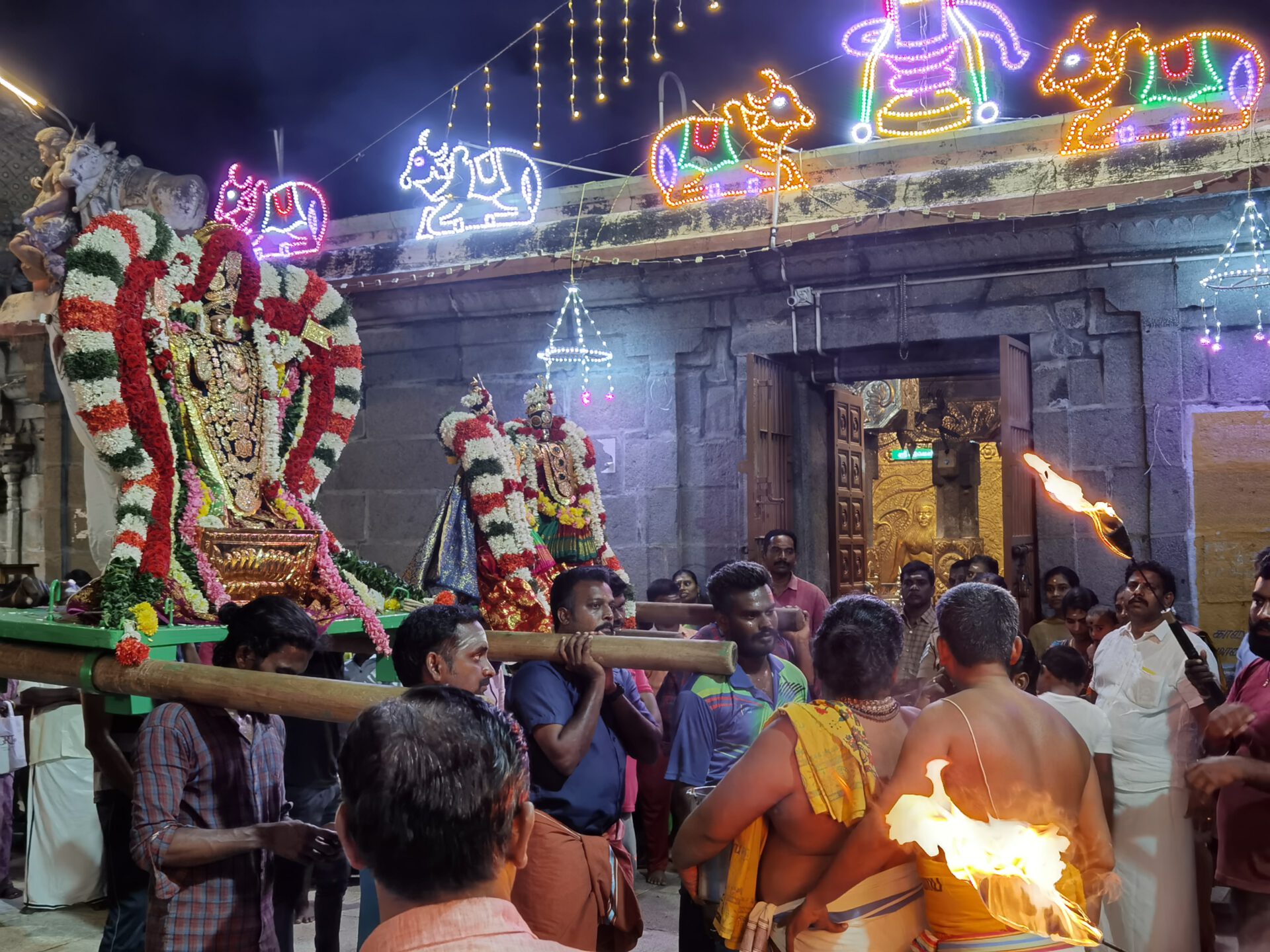
Shavasana
I am fascinated by the synchronicities here in Auroville. The spaces of thought, mind, spirit, body and emotion that intertwine here often do so over several days, seemingly effortlessly, intuitively, lightly. I was exhausted. A friend had left his body, as people say here. The community had provided support for over a month; many had grown closer. The death ceremony Karumadhi was held in a small circle, a particular kind of Puja on the 16th day, when the soul leaves…
Read more: Shavasana
At the beginning was the word
Yesterday I had a long conversation about the origin of thought. What comes first, the words or the thoughts? Of course there are very different forms of thinking. A visual, musical, analytical, synthetic, performative thinking, etc… There is thinking on the level of intuition, there is thinking in memory, there is vision and inspiration. There are so many kinds of thinking. What is thinking? Who is thinking when thinking? How is it different from consciousness? Much within my consciousness is…
Read more: At the beginning was the word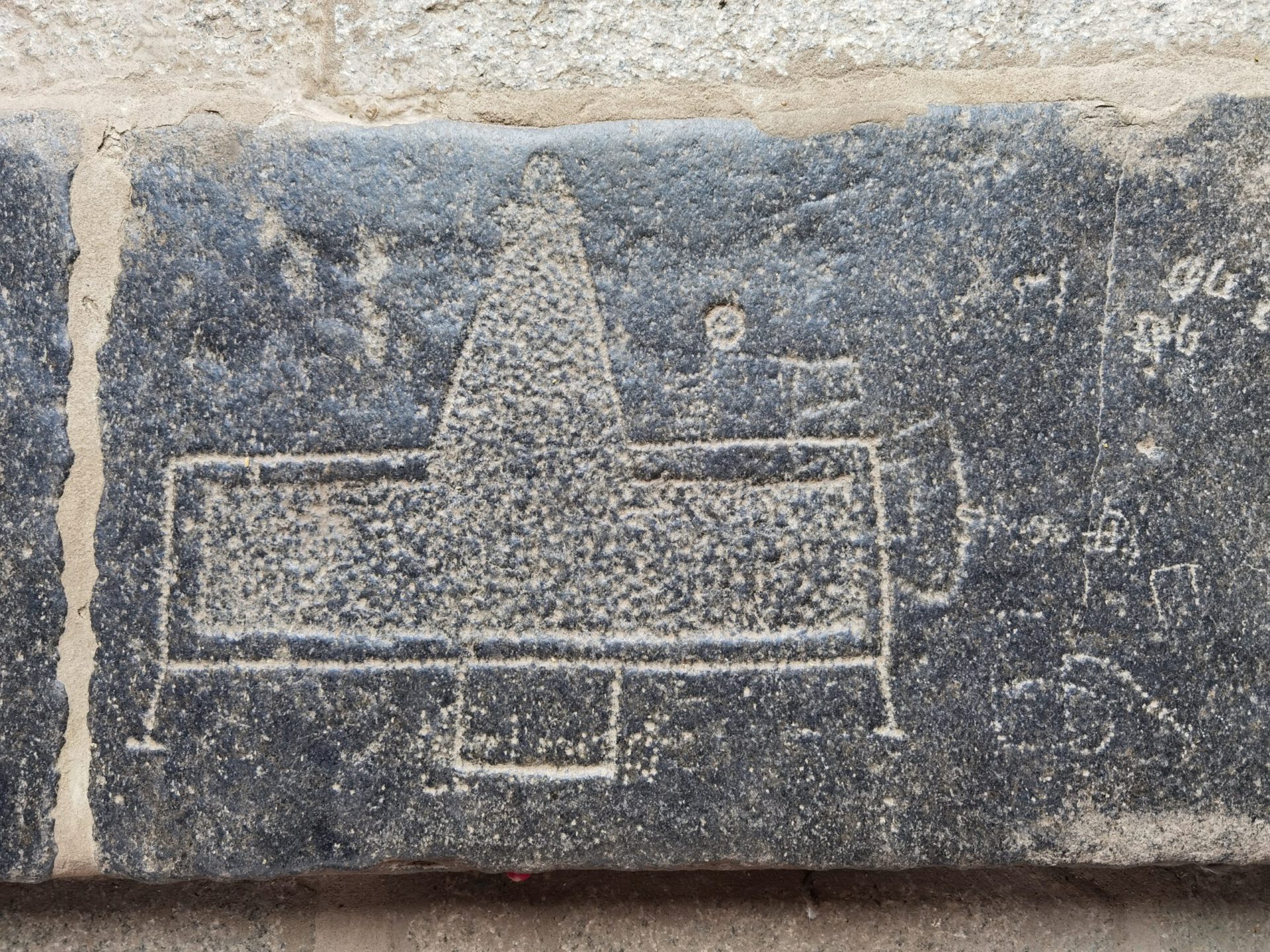
One Year in Auroville
One Year in Auroville: An evocative account of transformation and the search for spirituality in India. Learn more about the adventure and the significance of consciousness. #India #Spirituality
Read more: One Year in Auroville
The West as a Stranger
It is so beautiful and also so sad to live in a world that sees the West as foreign. I take this perspective more and more and don’t understand much anymore. The obsession with career, comfort, security, prosperity, accuracy, correctness, know-it-all attitude and arrogance, ignorance and intolerance. All this becomes clearer, it becomes almost evident. I was sick for a few days, and as many people do, I watched movies, nothing inspiring. Series garbage. I haven’t done that for a…
Read more: The West as a Stranger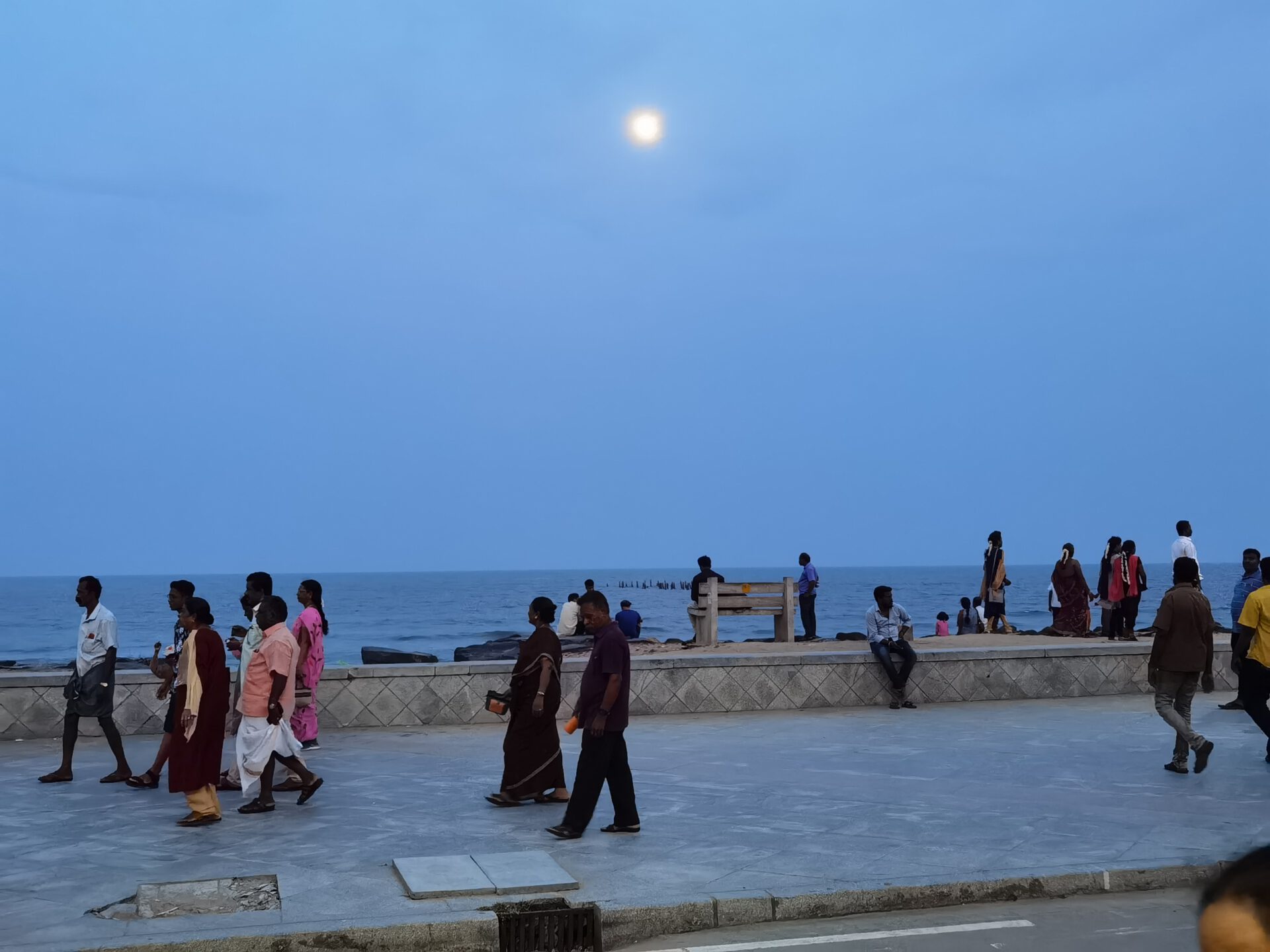
The Concept of Becoming in Deleuze’s Philosophy: Exploring Sensations, Consciousness, and Reflection
Discover the subtle differences between the German ‘werden’, the English ‘becoming’, and the French ‘devenir’ in Deleuze’s postmodern thinking. Explore the world of sensations and consciousness in this philosophical journey.
Read more: The Concept of Becoming in Deleuze’s Philosophy: Exploring Sensations, Consciousness, and Reflection
Conversations with AI
Recently I stumbled upon David Hume again. I remember how intensive the study of his writings in Heidelberg was. We went very deeply into the text, very meticulously and systematically. It was the opposite of those Anglo-American lectures on the history of ideas. So I stumbled upon the concept of taste in Hume, as the core of his “aesthetic” theory. I thought of rasa and began a conversation with AI. Larger connections became clear to me, lines I had never…
Read more: Conversations with AI
Conversation with AI: David Hume, Immanuel Kant, Abhinavagupta, Bharata Muni, Zeami Motokiyo, Gilles Deleuze and a Brahmin Priest on Art
The series of conversations with AI is unedited; it is the machine (ChatGPT4.0) speaking… Translation by DDeepL Prompt: Please write a conversation between David Hume, Immanuel Kant, Abhinavagupta, Bharata Muni, Zeami Motokiyo, Gilles Deleuze and a Brahmin priest. Begin with the question: What is taste? ChatGPT Setting: A serene garden with a round table in the middle. The philosophers and the Brahmin priest sit there, each representing a different era and culture, yet the timeless question of aesthetics connects them.…
Read more: Conversation with AI: David Hume, Immanuel Kant, Abhinavagupta, Bharata Muni, Zeami Motokiyo, Gilles Deleuze and a Brahmin Priest on Art
Conersations with AI: David Hume, Immanuel Kant, Abhinavagupta, Bharata Muni, Zeami Motokiyo, Gilles Deleuze and a Brahman priest on art
The series of conversations with AI is unedited, it is the machine speaking (ChatGPT4.0) … prompt: please write a conversation between David Hume, Immanuel Kant, Abhinavagupta, Bharata Muni, Zeami Motokiyo, Gilles Deleuze and a Brahman priest. Start with the question of: What is taste? ChatGPT Setting: A serene garden with a round table at its center. The philosophers and the Brahman priest are seated, each representing different eras and cultures, yet brought together by the timeless question of aesthetics. ⁃…
Read more: Conersations with AI: David Hume, Immanuel Kant, Abhinavagupta, Bharata Muni, Zeami Motokiyo, Gilles Deleuze and a Brahman priest on art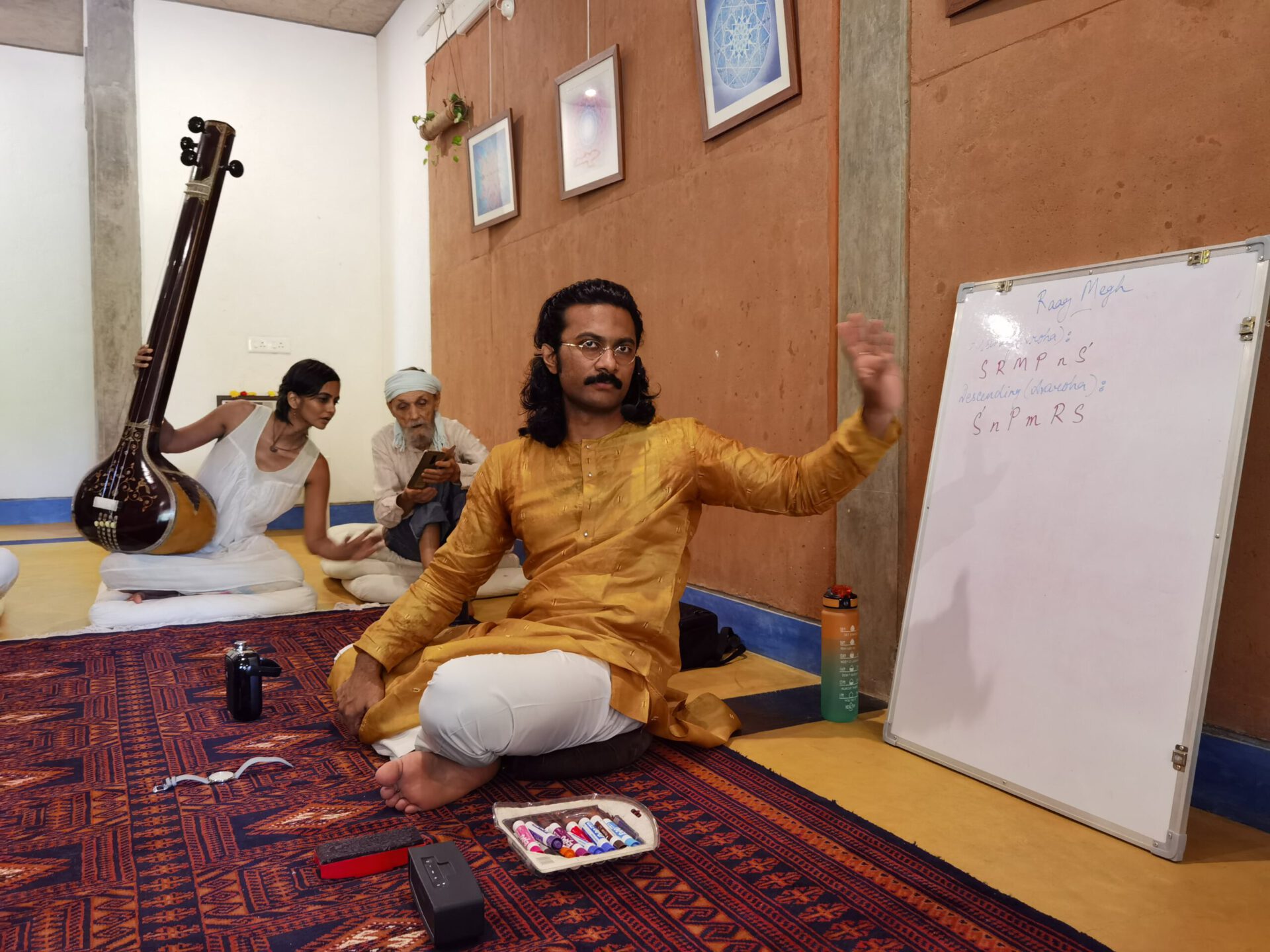
Nuances: Nada Yoga and the world of Dhrupad
Experience the world of Dhrupad, a complex and meditative sound art. Explore the connection between vibration, consciousness, and music in Nada Yoga. Discover the ancient tradition of Dhrupad, the original form of classical Indian music.
Read more: Nuances: Nada Yoga and the world of Dhrupad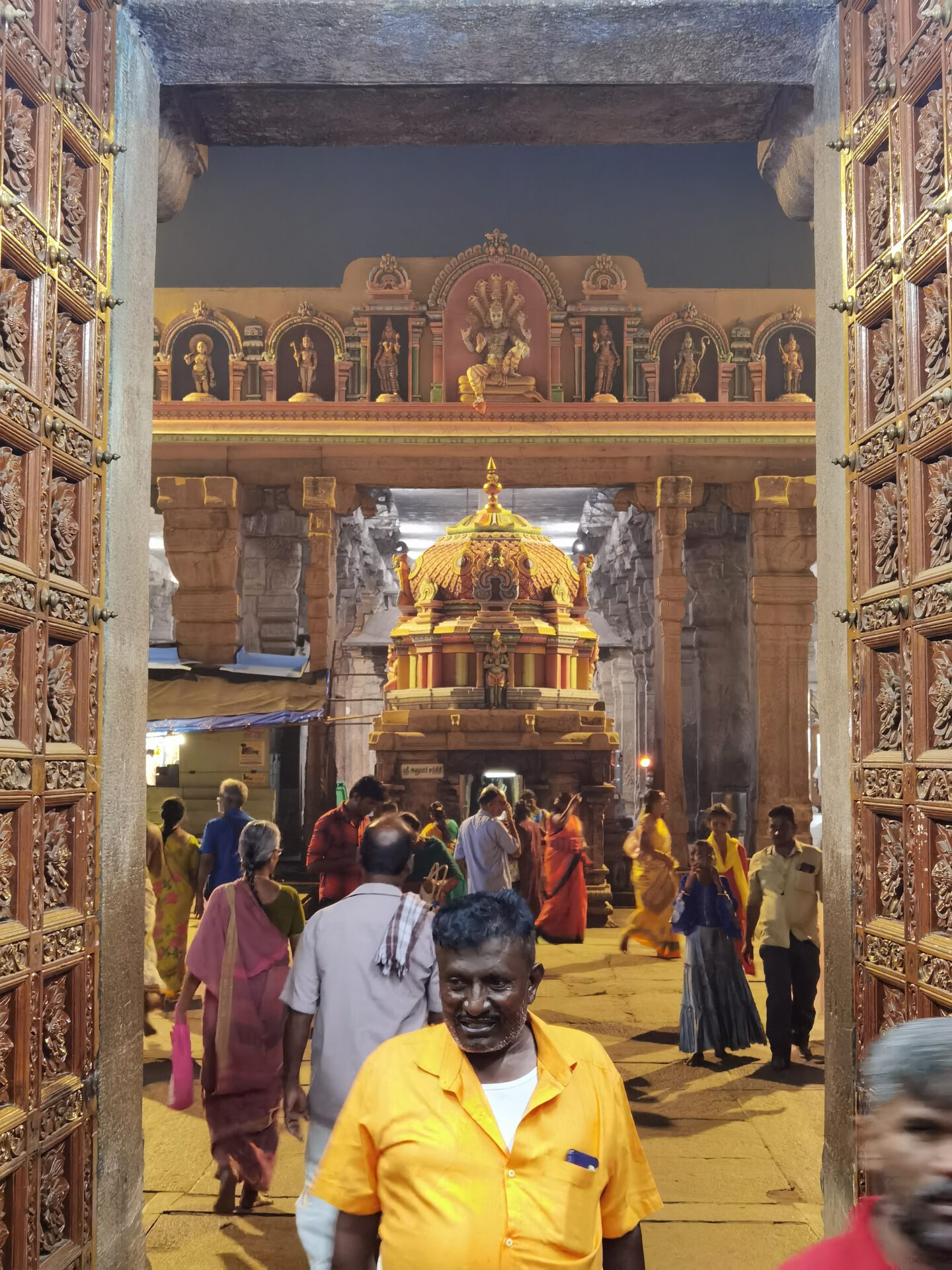
Sacred Spaces: Exploring Churches, Temples, and Spiritual Reflection
Explore the concept of sacred space and its manifestations in churches, temples, and spirituality across Europe, Egypt, and India. Discover the unique qualities and experiences each offers, from contemplation and silence in Catholic churches to the living tradition and activation of the holistic self in Indian temples. Temples, in particular, are seen as personal universities of life, reflecting a holistic knowledge that synthesizes various forms of existence and understanding.
Read more: Sacred Spaces: Exploring Churches, Temples, and Spiritual Reflection