


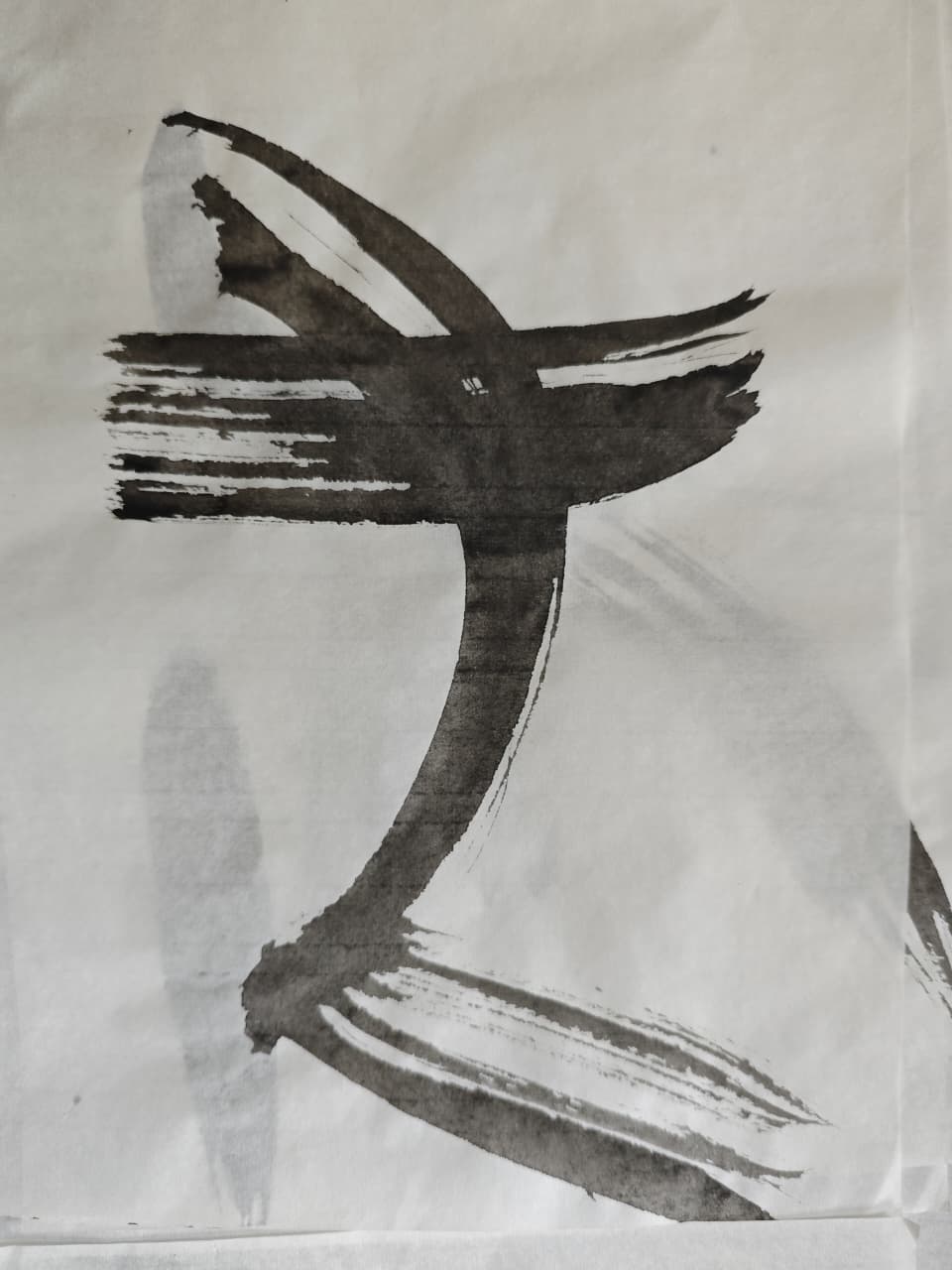

Dakshinamurti
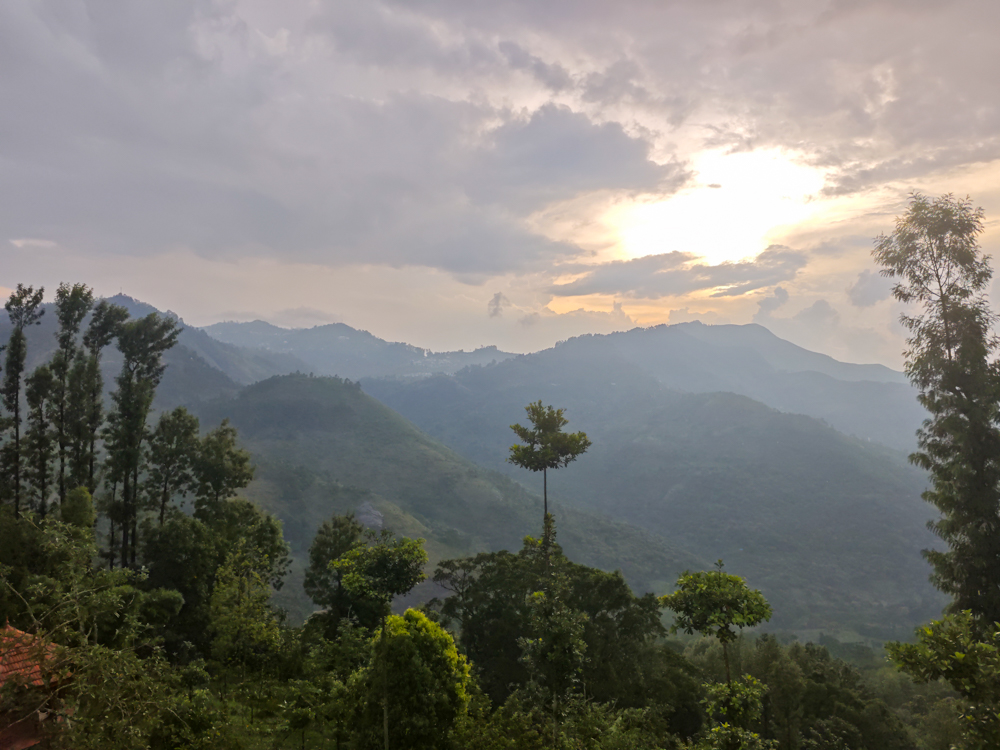
I woke from a nightmare at four in the morning. I was talking with Will in Apt about a strange disturbance in my perception of time. I described how time broke into fragments and some were simply missing. These were seconds or minutes, and while I tried to immerse myself in time to describe it better, everything went black. I cried for help, I was blind, and woke up. It was another of those dreams in which I seemed to…
Read more: Dakshinamurti
Connection
Connection Over the past two years I have immersed myself quite deeply in the Upanishads, practiced some yoga, and engaged a little with the system of yoga. I have immersed myself in my own body, my own senses, my own consciousness. Have seen that there are a great many levels, and that there is no reason at all to assume that still more levels do not exist. Just two years ago I simply denied most of what I am experiencing…
Read more: Connection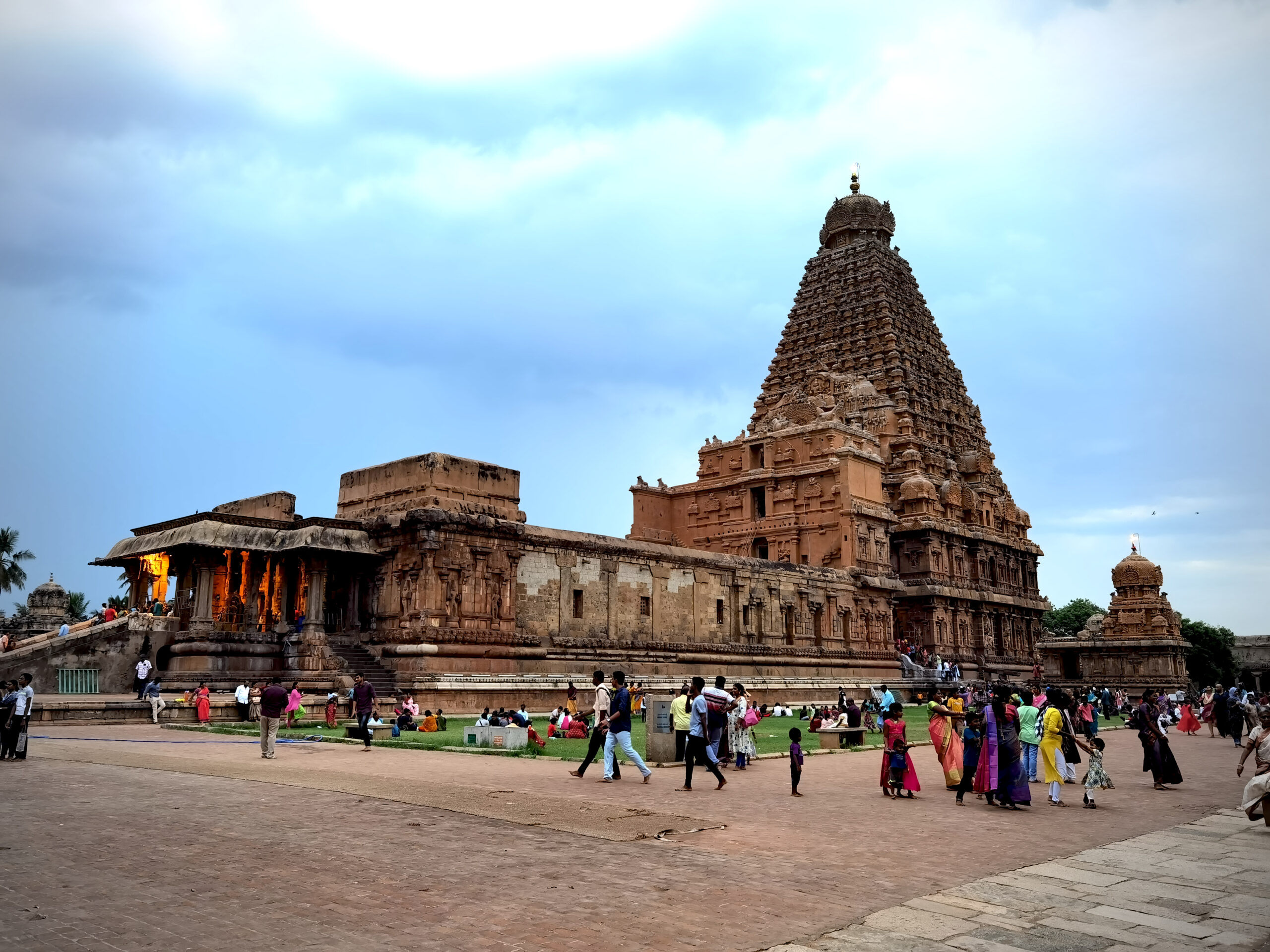
Chola Temples
During the Chola Empire, the layout of Shiva temples became highly formalized. Based on the Agamas and Shastras, the temple was fully developed into a place in space, time, and consciousness where microcosm and macrocosm mirror one another. Studying the Irumbai temple as a smaller temple that follows the strict rules of temple construction and serves as a temple for practitioners shows its central role in a cluster of about two dozen temples in the surrounding area. It follows the…
Read more: Chola Temples
The Bearable Lightness of Being
Sometimes meditation is quite simple and natural. I sit down, enter my body, become aware of my sensory apparatus and of how my consciousness and intellect engage with it, bring everything to rest, and higher consciousness shows itself, another kind of knowledge, space and time, another world of experience … Sometimes, though, it is difficult, and then I learn how meditation really works. I sit down; a chaos of thoughts and feelings spreads out. It takes a long time before…
Read more: The Bearable Lightness of Being
Theory and Practice — Part 1
Many people have the idea that we live in a world made of matter, following the laws of physics and various theories, such as the theory of evolution. This is strange, for matter as such does not really exist; E=mc² stands for this. I do not really understand this formula, but it stands symbolically for everything ultimately being energy, possibly even simply vibration, as string theory claims. Then there is the physics of the macrocosm and the microcosm. They contradict…
Read more: Theory and Practice — Part 1
Art
When I read a book, watch a film, immerse myself in a painting, or take part in a performance, what exactly is happening? It is, after all, the case that I experience something; images, feelings, and experiences are awakened within me. Imagine a film, a book, a play, or a painting about human relationships, action, history, or fairy tales. So you are sitting somewhere and looking at something that tells a kind of story. Now, what is the difference between…
Read more: Art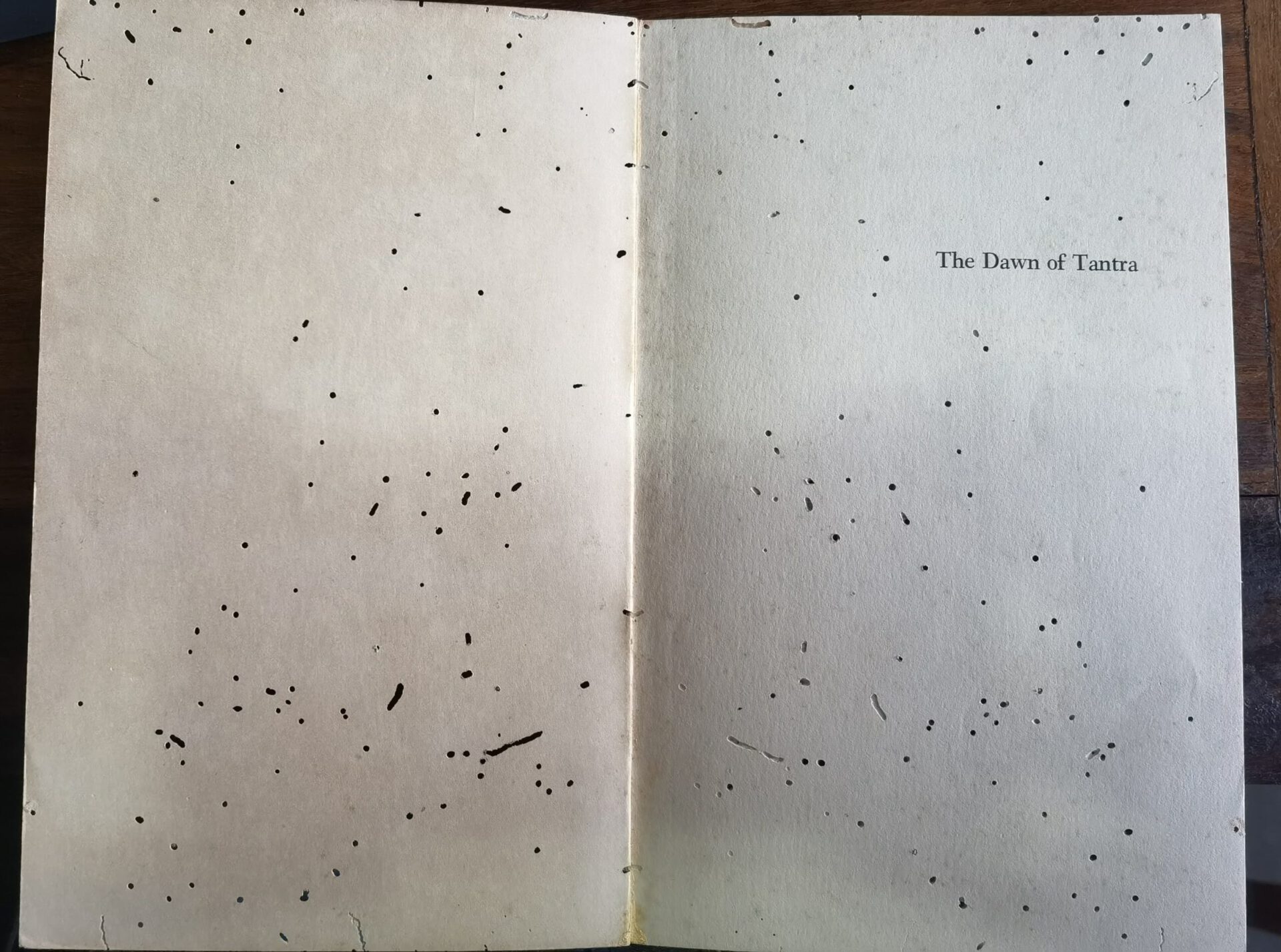
Tattvas
Outside my door there is soft red sandy ground. It is swept several times a week with a bundle of palm leaves and looks beautiful. I am still thinking about the same temple in Irumbai. Its history is becoming more and more complex, and so I am now immersing myself in Tantra philosophy. A few months ago I attended a workshop on it. We learned a small meditation exercise that I tried again today: Choose two objects and look at…
Read more: Tattvas
Stream of Life
Slowly, and at long intervals, I keep reading Sri Aurobindo. Why not read a lot and quickly, soak everything up and finally bring order to my world of thought, which wants to break out of the consequences of a rational monotheism? Why do I not give my intellect the freedom, concentration, quiet and strength to embark on one of life’s greatest adventures? As a student, I once went swimming in the Rhine, very naively, somewhere before Basel, where the water,…
Read more: Stream of Life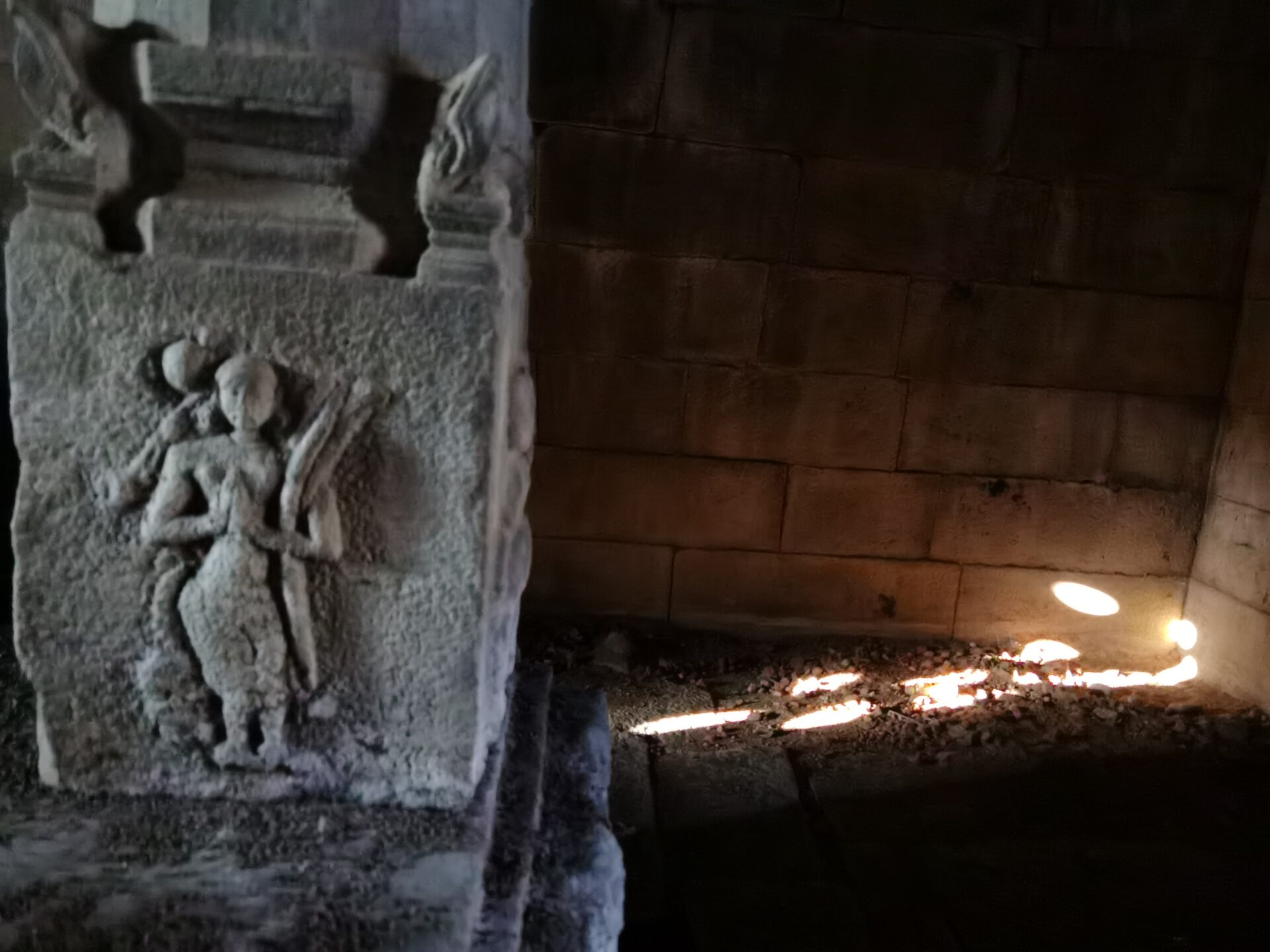
The Book of Life
Fate, karma, causality, laws of nature, determinism—all these are different expressions of a conception that the universe follows a predictable logic. They imply that what happened arose consistently from what preceded it, and that the now is likewise determined by what came before. We consider this logic reasonable and rational, logically correct. Yet if we assume that the future is likewise determined by the now and the past, we dismiss this as superstition, irrationality, a lack of scientific rigor. We…
Read more: The Book of Life
Contemplation and Intuition
When the rational mind roams through the worlds of knowledge, rummages through the library or searches for the causal laws of the universe, this is meticulous work building systems of knowledge. At first these systems have little in common with the world of experience, let alone the inner world. Only through contemplation does the mind pause and behold the systematized, abstract representation as an image of the world, as a worldview. It is intuition that anchors this image in a…
Read more: Contemplation and Intuition
Memory
For several weeks now, I have been living with a neurotic dog. She barked a lot, as long as she still perceived me as a stranger. She kept her distance, was frightened. After a few weeks, she accepted me, approaches and wants to be petted. Now she lies in front of my door and keeps watch; she protects me. What happened? I did not change my attitude towards her. I have little connection to dogs and pay her little attention.…
Read more: Memory
Abstract art and immanence – on Deleuze and Kandinsky
(this is an old text of mine, found in the archives. It is strange to read it again, as it shows to me how desperately I tried to get out of the trap of representation and the urge to embrace a philosophy of immanence. I went through so many ideas, looked at so many artists – I never did anything with the text, as my self-critical voice didn’t consider it to be any good. I have to say I like…
Read more: Abstract art and immanence – on Deleuze and Kandinsky