
Sleeping
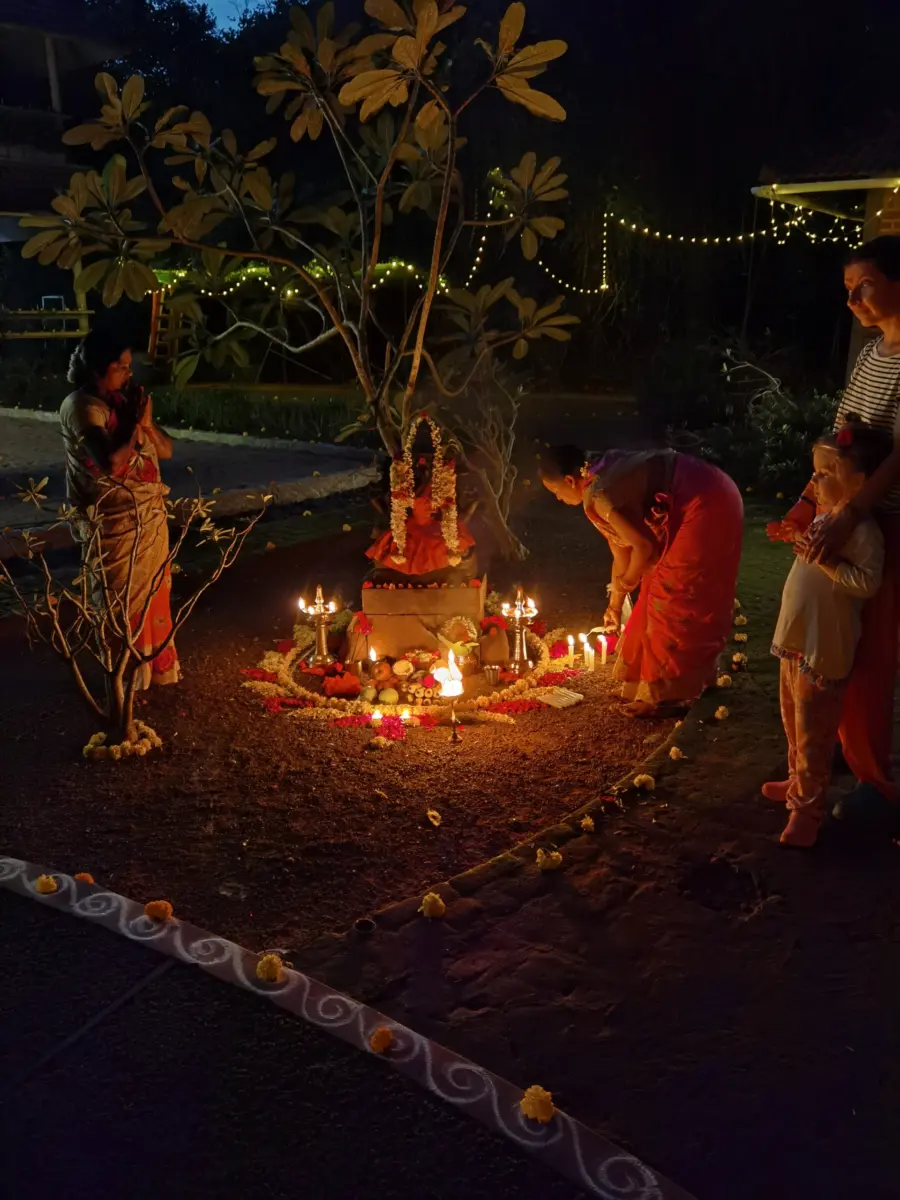
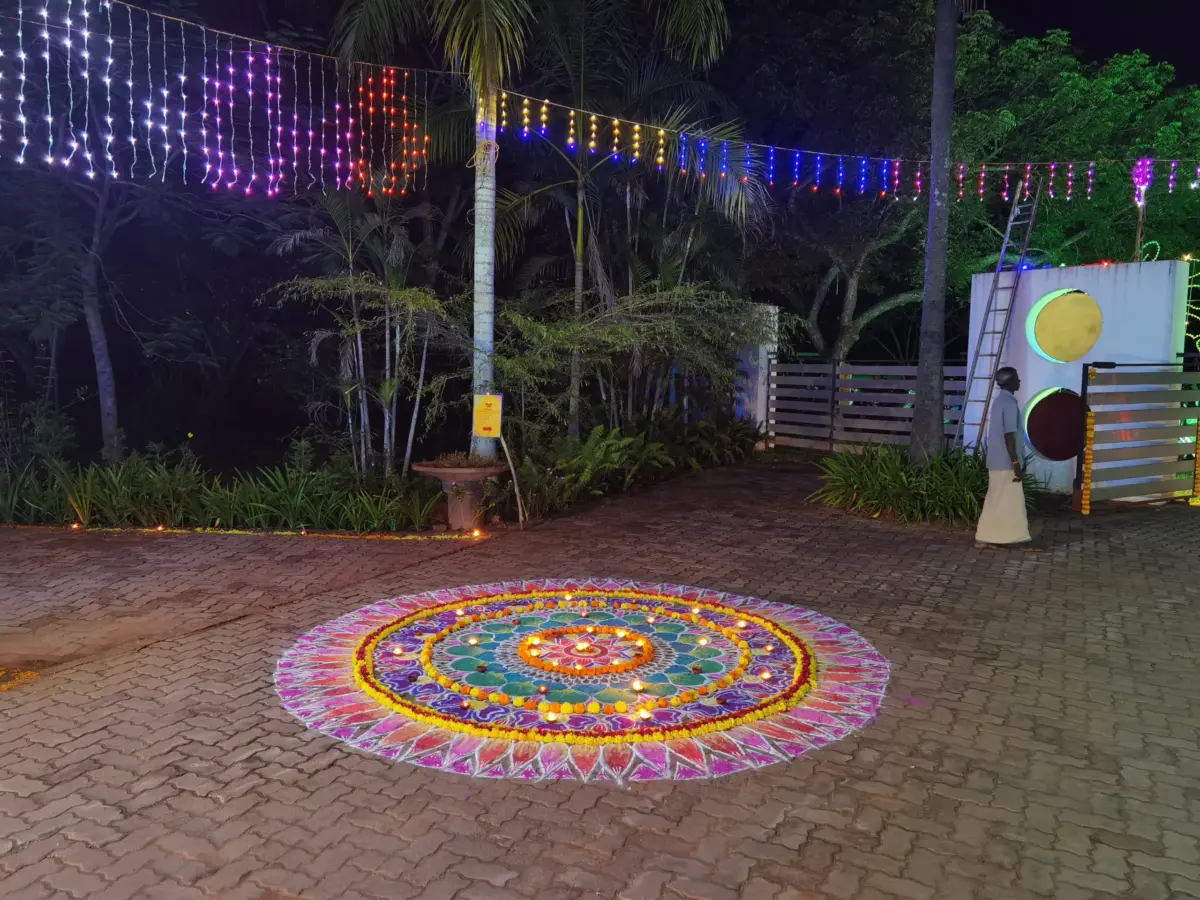
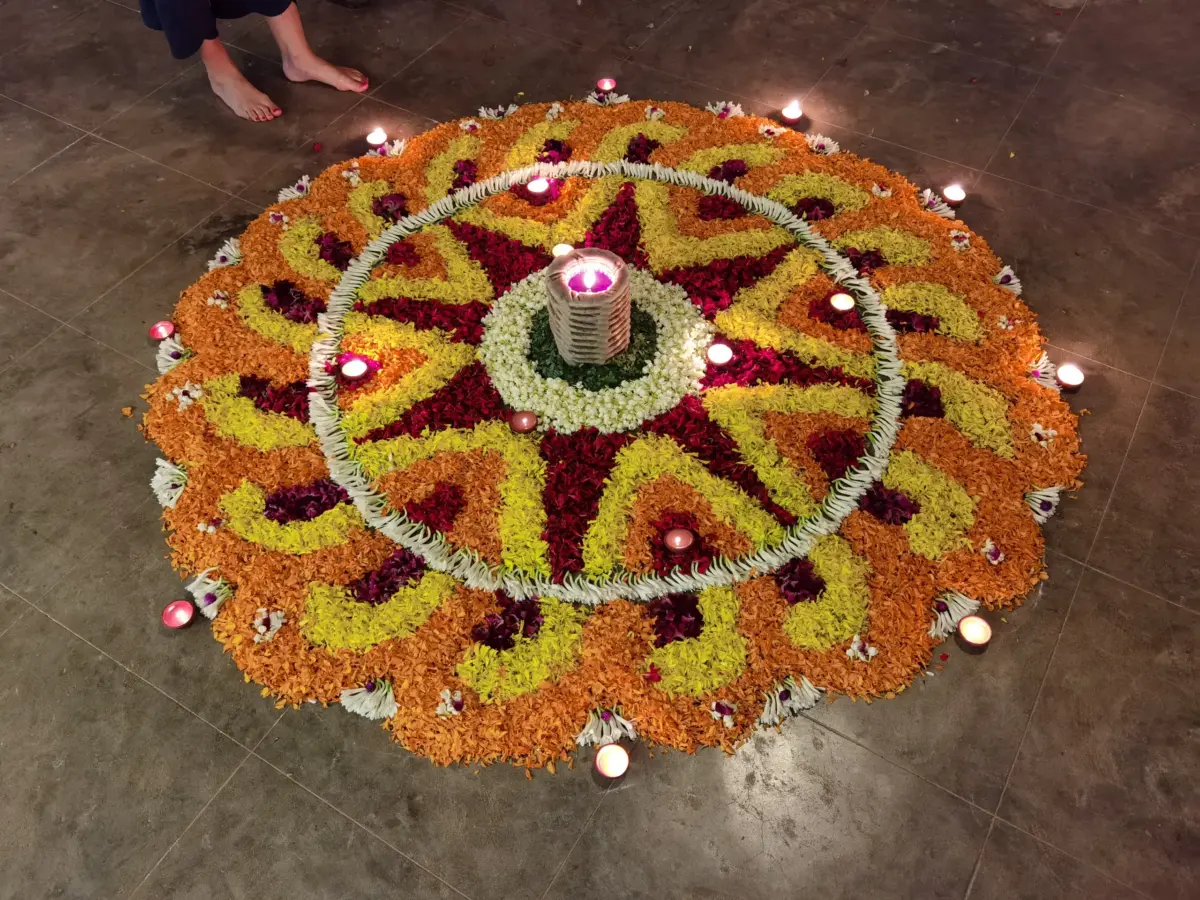
I have often told the people with whom I have lovingly spent nights that, for me, sleeping is research into consciousness. I think no one really took me seriously about this. And I did not take myself as seriously as I should have either. I always had to think of Marcel Proust’s ‘In Search of Lost Time.’ The first chapter of Swann’s world describes waking up and consciously lingering in this in-between world of awakening. This world is a very special place for Proust, and it has never let me go since. I did not read more than the first four or five pages, for everything seemed to me to have been said here. I then devoted the second half of my studies to the philosophy of consciousness. It was only in sleep that I understood much of it. In the Upanishads, sleep is a meaningful access to the world, to the Self of the world, in which we are not separate. Immortality is the state of deep meditation. Mastering dreams brings us closer to the Self, to Brahman. At the same time, I am now reading Satprem after all. I find him somewhat suspect, but his description of what happens in the different stages of meditation and forms of consciousness speaks from my heart. For Satprem and Sri Aurobindo, the core of meditation is to bring the mind to rest. Only when it is quiet and no longer resists Brahman is it possible to allow the ordering force of consciousness. Thinking only gets in the way. This also happens in sleep and in dreams. I see here an alternative conception to the sleep laboratories that attempt to instrumentalize dreams for the machine of value-creation efficiency. Dreams instead give us access to a consciousness that far exceeds our little consciousness of duty. Sleeping is wonderful; it unites us with the Self. It is a high form of insight. Happy Diwali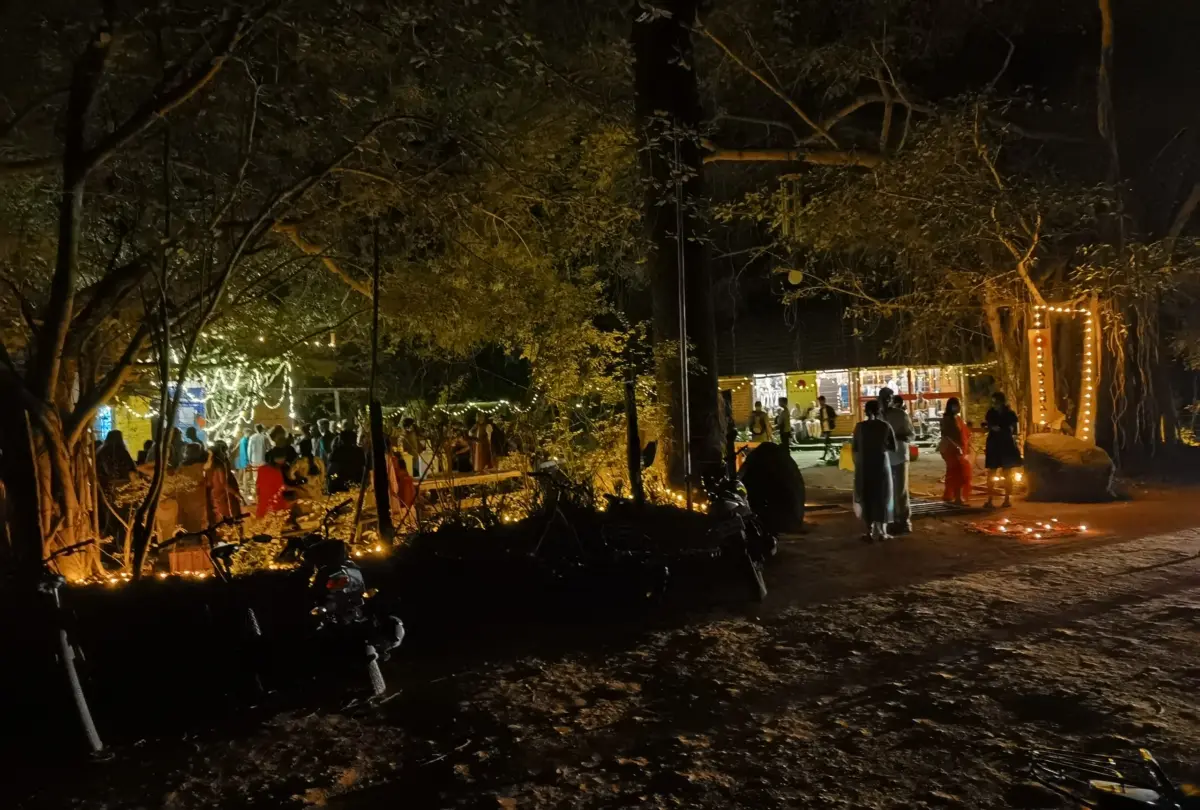
© Christoph Klütsch




Leave a Reply