Ich bin für eine kurze Zeit wieder in Europa, und ich sehe eine Geschäftigkeit, eine Energie des ständigen Tuns. Arbeiten, Diskutieren, Aufräumen, Besorgungen machen, Verpflichtungen nachgehen, Organisieren, Optimieren, Darstellen, Hinterfragen, Austauschen. Ständig wird etwas getan. Etwas zu tun scheint wichtig zu sein, nichts zu tun scheint unproduktiv und bedarf einer Rechtfertigung. Nicht produktiv zu sein hat aber viele wichtige Qualitäten, so ist Nicht-Handeln manchmal eine Form des Widerstands, oder die stille Einkehr kann als innere Arbeit verstanden werden, eine Arbeit,…
Ramana, one of India's great enlightened beings, lived in Tiruvannamalai. At the core of his teachings is the concept of the Self: its emptiness and simultaneously immeasurable vastness. His teachings are simple; he does not follow a long tradition of interpretations. He was a simple man who meditated on the mountain and held satsangs. As a contemporary of Aurobindo, people listened to both and compared their radically different approaches. I am currently in Tiruvannamalai. I have attended some satsangs. I had a question in mind: How…
Erste Begegnungen mit Ragas Als Jugendlicher hörte ich stundenlang Ragas. Ich wusste gar nichts über sie. Ich schlug ein wenig nach: Mikrotonalität, Meditation, Tonfolge. Mehr verstand ich nicht. Es waren aber die tiefsten Musikerfahrungen – eine Meditation zur Musik. Bis heute führen mich Ragas in mein Inneres oder in tiefe Erkenntniszustände, die jedoch nicht rational sind. Eher ist es eine Art und Weise, in der Welt zu sein. Musik als gemeinsamer Raum und reine Energie Das Hören von Musik zieht…
Contemporary art is obsessed with the „next step.“ The avant-garde, the unprecedented, the new and unique. Yet, in the pursuit of the new, we lose sight of something essential: artistic practice itself. Artistic practice isn't just about pushing boundaries. It belongs to those who use art for self-exploration, spiritual practice, healing, therapy, or craft. But in today's culture, especially in the West, we act as if...
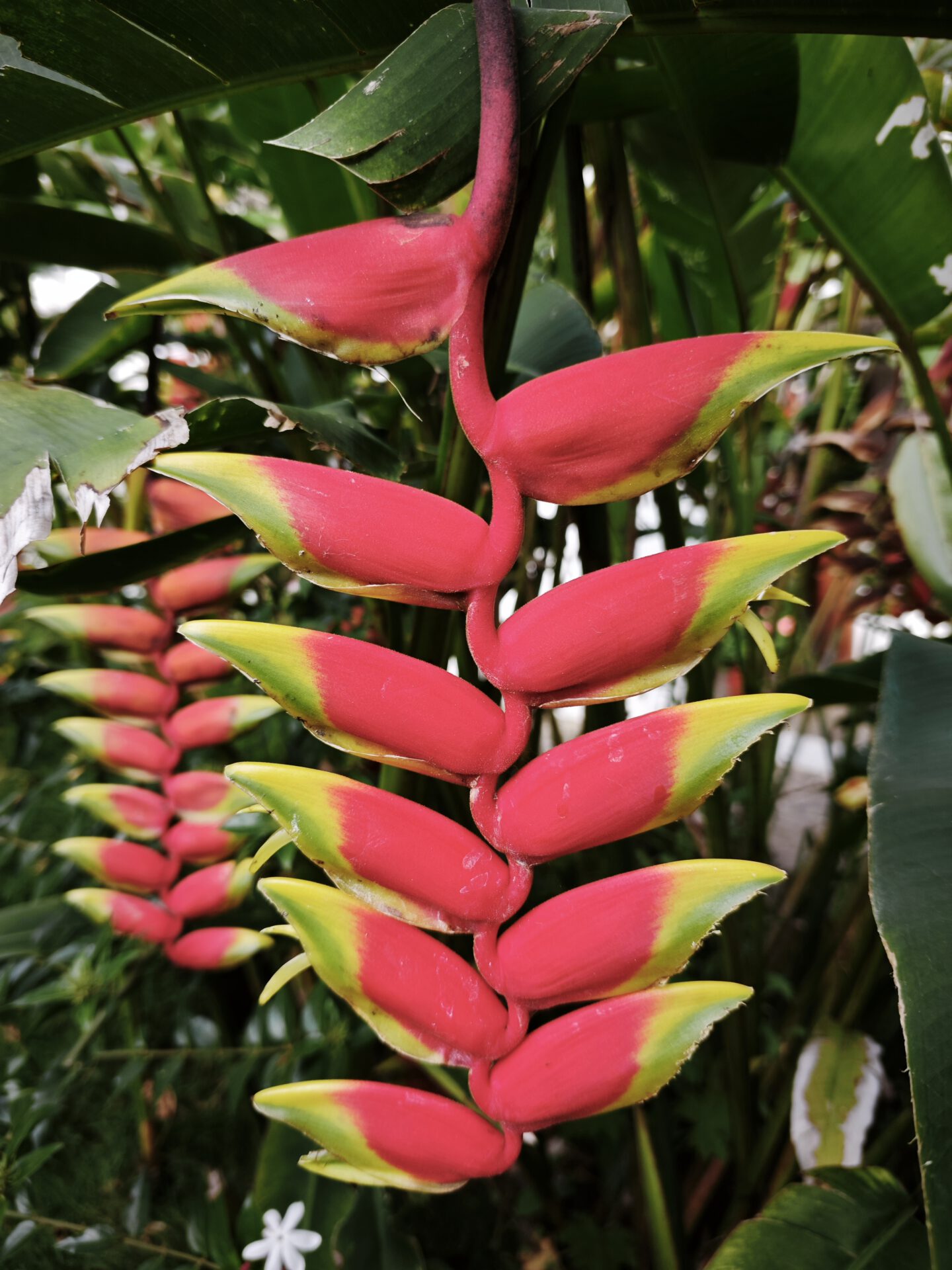
An apple, a strawberry, a melon or a passion fruit, a banana or plum, a tomato or cucumber, a bean or grain, a coconut, and a pomegranate. Fruits want to be eaten, they want to bring pleasure, nourish, and sometimes even intoxicate. They shimmer and ferment, decay and exude scents, they catch the eye, enchant the senses, create desire and enjoyment. They are not entirely accidental. Fruits reflect a desire of those who eat them: humans, horses, monkeys, ants, beetles, birds...
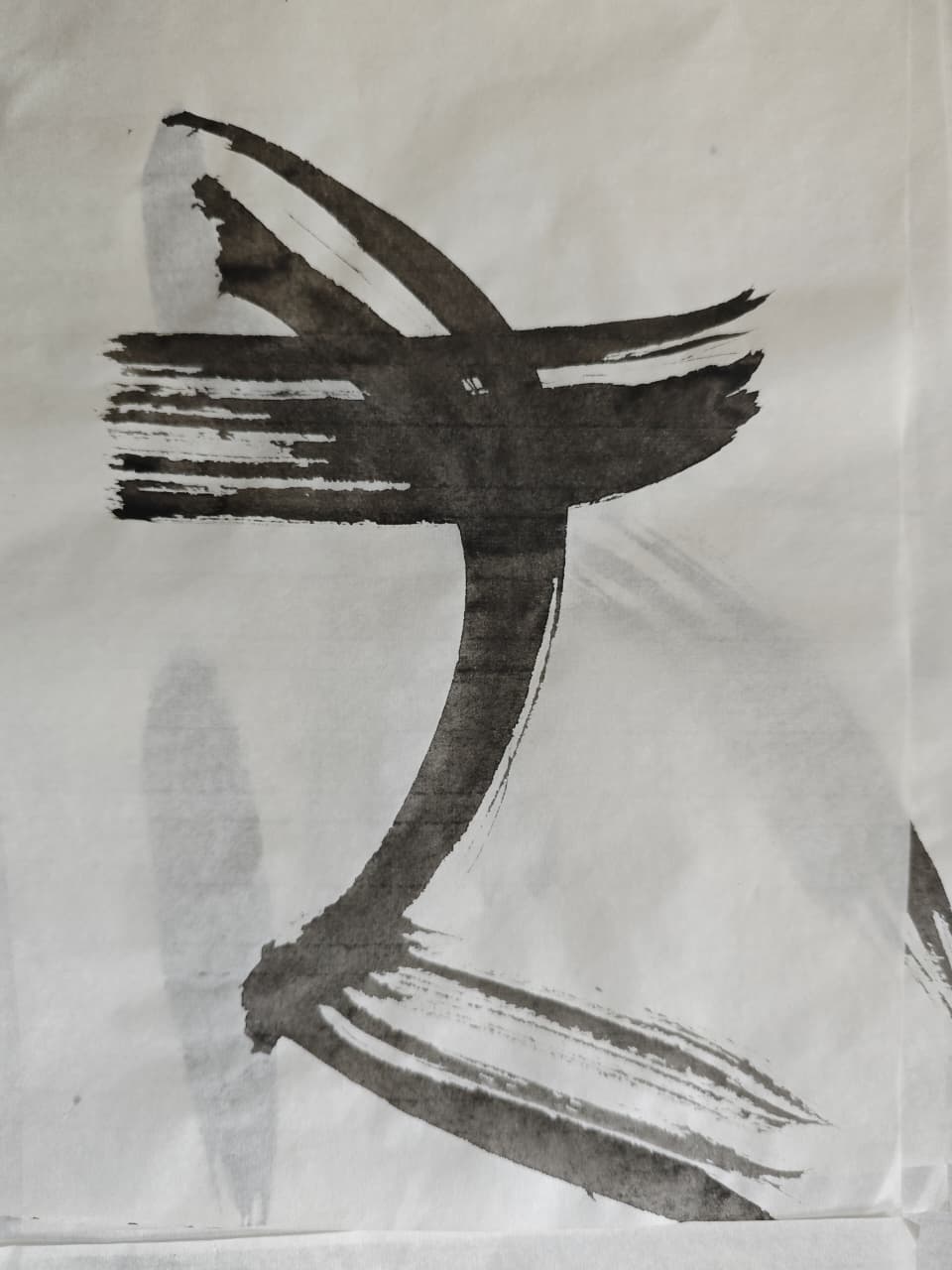
Bodhi Zendo I had ordered a book to take with me to Bodhi Zendo: „Zen in the Art of Ink Painting“ by Katharina Shepherd-Kobel. It's a beautiful book, it speaks to me and nurtures my desire to learn ink painting and deepen my meditation. When I started Zen meditation 3.5 years ago, the urge to go to Auroville awoke. The meditation in Bremen was strict, we followed the rules, eyes half-open focused on a point, recited sutras, had walking meditations, tea ceremonies...
Das ist Tantra. Das ist göttlich. Die entscheidende Frage ist, ob eine solche heilige Begegnung nur in der romantischen Liebe möglich ist, wie es die Tradition und die Romantik suggerieren – oder ob sie entstehen kann, wenn wir unser Wesen vollständig öffnen, jenseits von Verstand und Vernunft, jenseits von Ego, Wunsch oder Verpflichtung. Ich glaube, das kann sie. Aber es hat nichts mit dem Höhepunkt als Ziel zu tun. Es geht um Intimität. Sie kann so einfach sein wie eine…
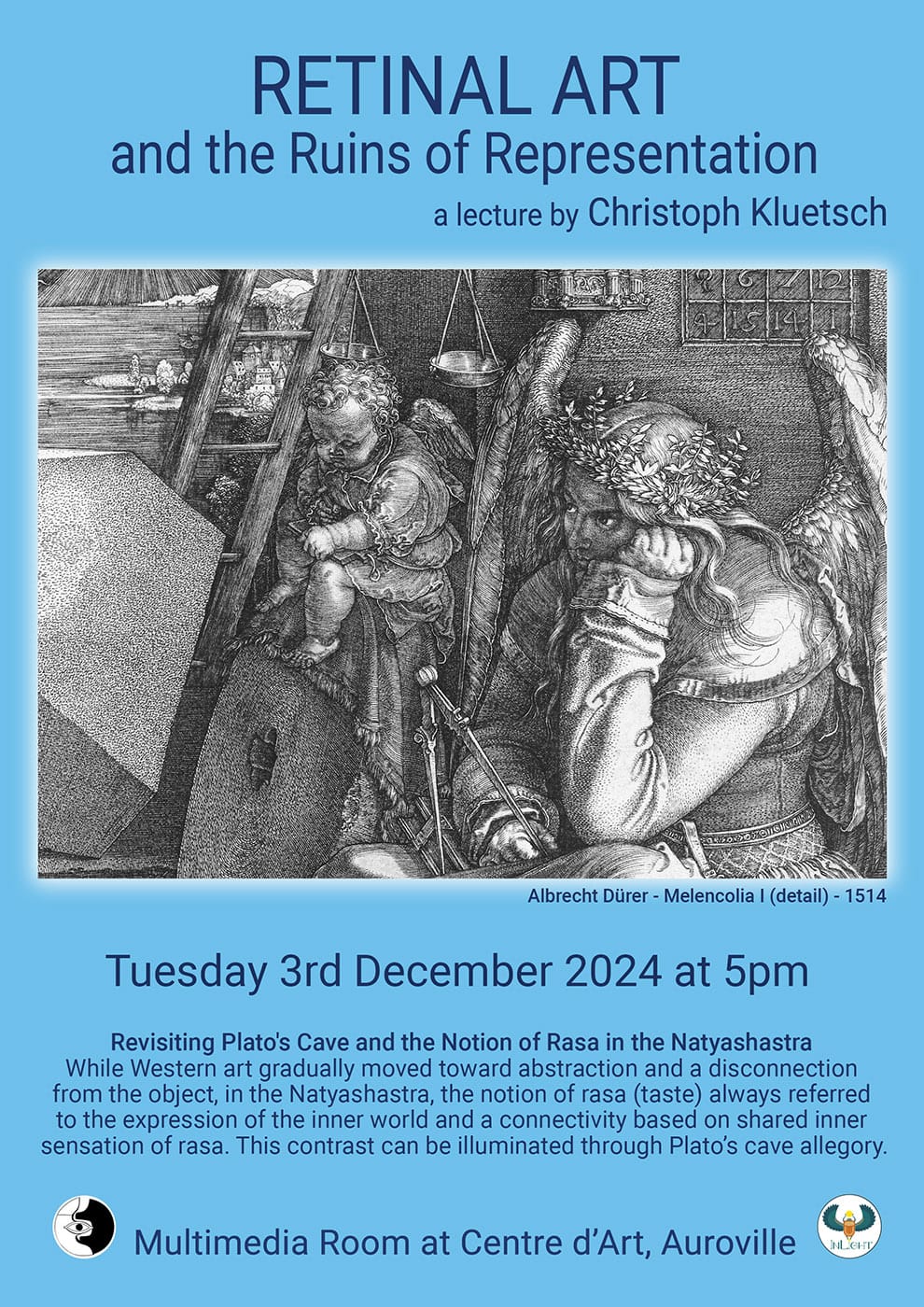
Retinal Art and the Ruins of Representation: Revisiting Plato’s Cave and the Notion of Rasa in the Natyashastra Christoph Kluetsch “Something in the world forces us to think. This something is not an object of recognition, but a fundamental encounter.” Gilles Deleuze – Difference and repetition p. 139 “Minds exist only in relation to other minds.” (Mihai Nadin) “even those elements designated as „basic“ or „proto-elements“ are not primitive but are, on the contrary, of a complex nature.” (Kandinsky, Concerning the Spiritual in Art)

 German
  English
  French