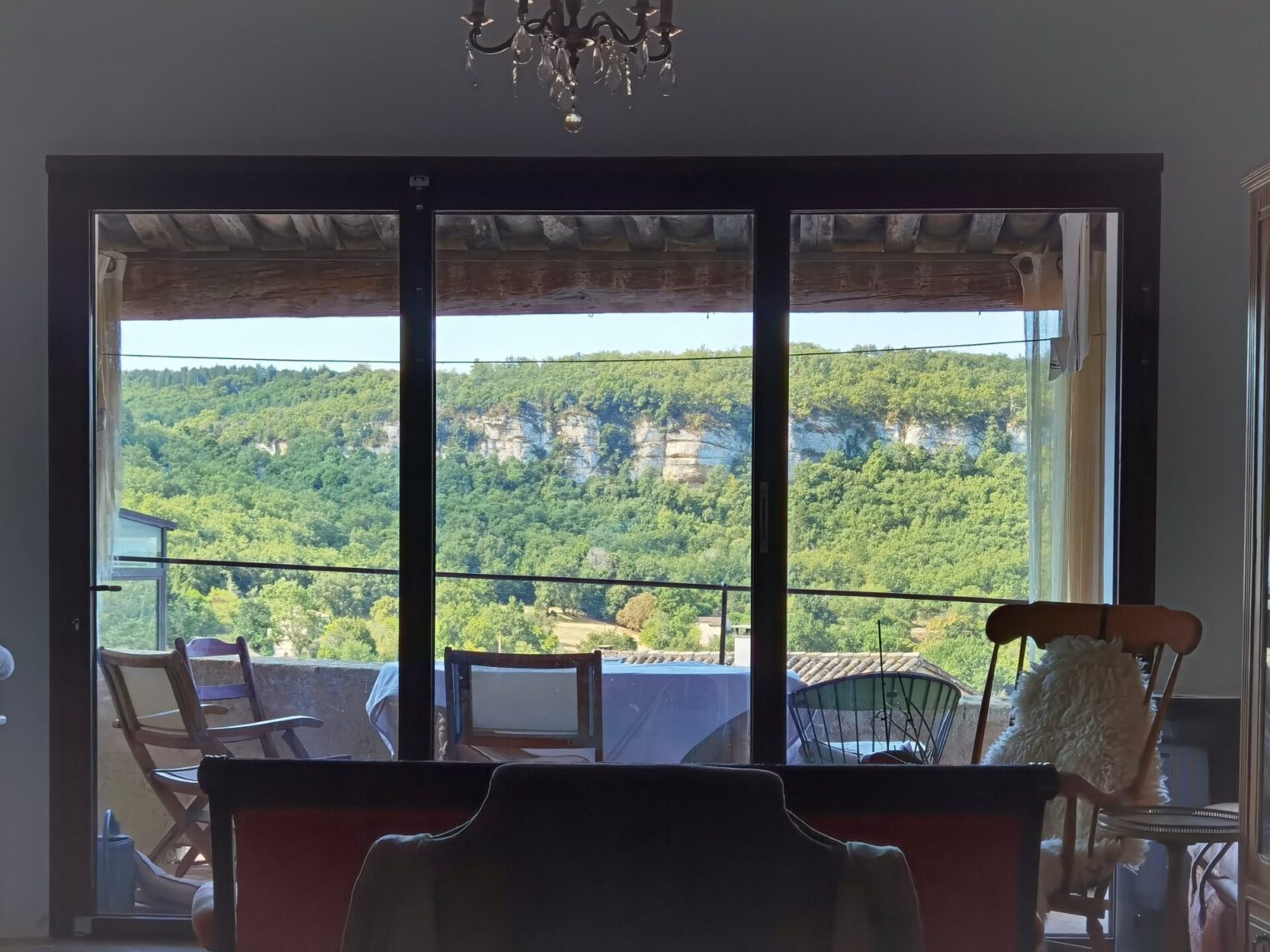
Cézanne drew and painted Mont St. Victoire more than eighty times. From different perspectives, admittedly, yet essentially simply the mountain. This mountain has been there for a very long time; it exists in another time. The fruit fly has one day to live, then it is all over. When we extend our temporal horizon, we think in generations. A few hundred years seems much to us; five thousand years ago our cultural history began. For a mountain, that is practically yesterday. What do we see when we see the same object at different times of day, seasons, in different moods and from different perspectives? Ourselves, the perception of another? But never the mountain itself in its existence.
We know the moment, a life, an epoch; we think about paleontology, geological time and cosmic times, or chronons. How do we place ourselves in relation to them? How can our imagination reach these layers of time? More than that, why do we explore the past and imagine the future? The synthesis of my lived past and my anticipated future shapes the now. Only in this interweaving of time do we experience ourselves as an individual. But when we concentrate on the instant—the pure Now—and lose our I in meditation, we overcome it and are now entirely present.
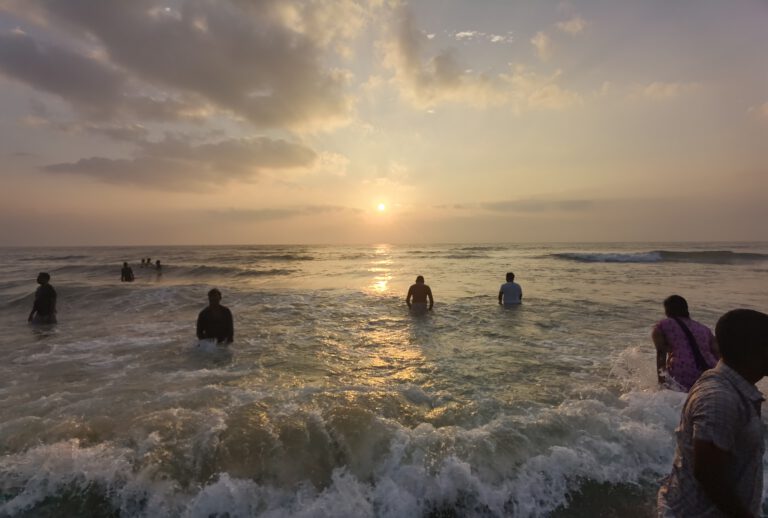
It is this contemplative experience of time when we look at the stars, or listen to the waves or crickets: the experience that our consciousness is always also part of time other than that of the now.
Leave a Reply