The word „werden“ in German is somewhat distorted: „Das wird doch nix!“ (That won't work!), or ‚Das wird schon…‘ (It'll be fine…). There's something causal in the German ‚werden‘, a process of development. In English, the word ‚becoming‘ is more beautiful, something comes into being. It's more open: ‚coming into being‘. In French, Deleuze speaks of „devenir“, meaning ‚something coming," it's more active, a movement, away from something towards something else. It's important to perceive such small, subtle differences when engaging with Deleuze's thought, because that is the school of postmodern thought, to see something in such small differences, the differences and structures, that was not previously visible. So when Deleuze writes in the English translation of 'What is Philosophy' says "becoming is an extreme contiguity within a coupling of to sensations without resemblance or, on the contrary, in the distance of a light that captures both of them in a single reflection." I had to read this sentence over and over again for many years to understand it. Two sensations that are not similar touch each other, as in the distance of a light that captures both sensations in a single reflection. You have to pause a little.
What, for example, is the difference between ‚entstehen‘ and ‚werden‘? Is there a ‚werden‘ in the physical world? In the world of atoms and physical forces, the law of conservation of energy applies. Matter and energy can transform, change their arrangement, E=mc2, etc... However, a process of ‚becoming‘ in the sense of "becoming" or "devenir" is something different. This is about sensations, sense impressions, consciousness. How do two sensations become one sense impression? How does one sense impression become another? How does consciousness change over time? How does a person change? What do I see on a canvas? Who hears when listening? This is the world of becoming. Sensations are contingent. They unite to form a more comprehensive sense impression. They do so not by merging, or by being grouped by similarity, but in a reflection. A reflection of a distant light that unites multiple sensations. The image is beautiful. However, the reflection is not a likeness, not a representation, but reflected light. In this reflection, the most diverse elements can be very close together, great contrasts can appear harmonious, different qualities can touch each other.
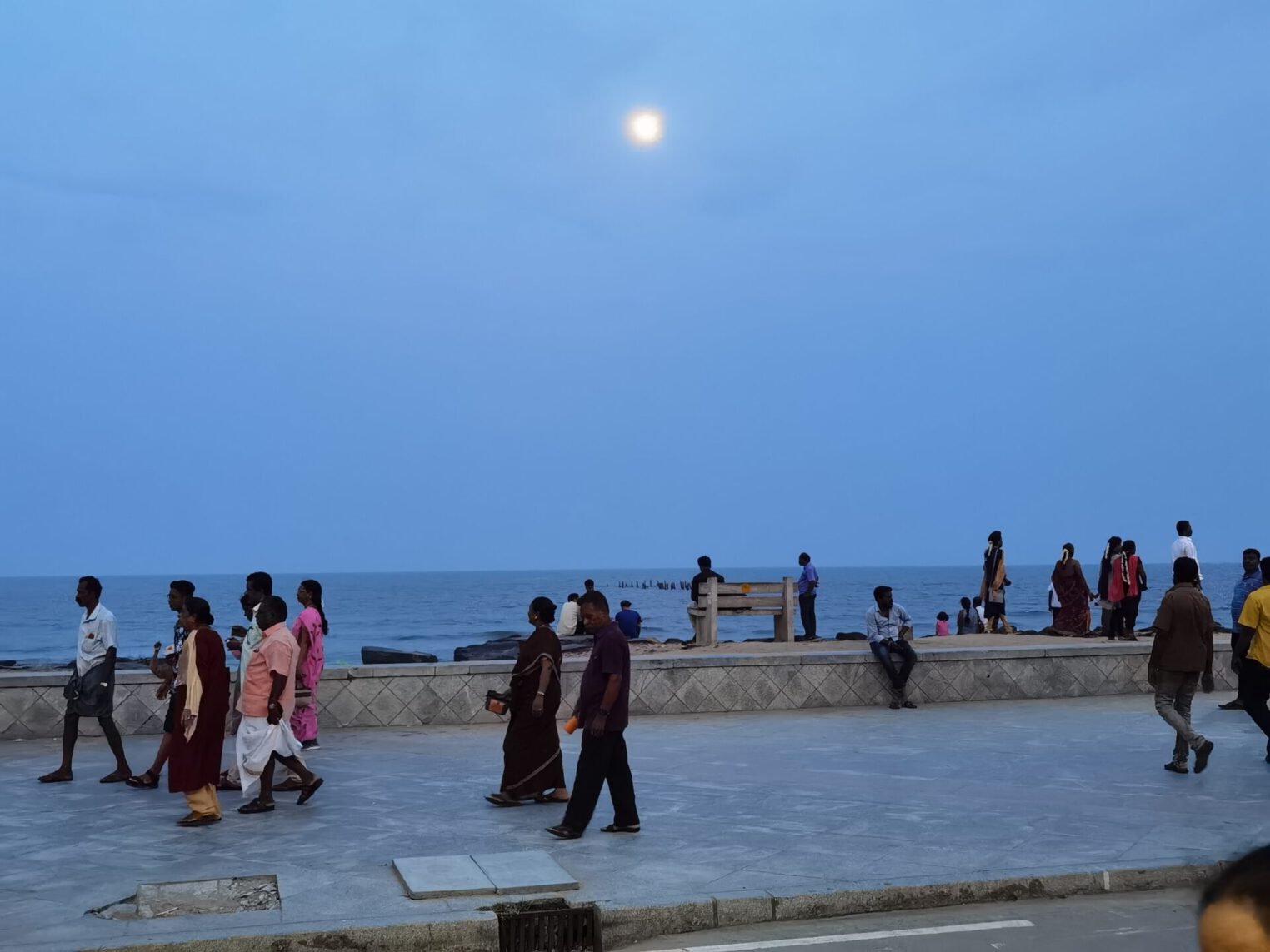
But where does the light come from, in the distance? And where is the reflection perceived? Who sees when they see? The reflection of light and sound, warmth and impulse has its origin in vibration and creates vibration on contact. These impressions unite in consciousness, they become awareness.
-
 German
  English
  French