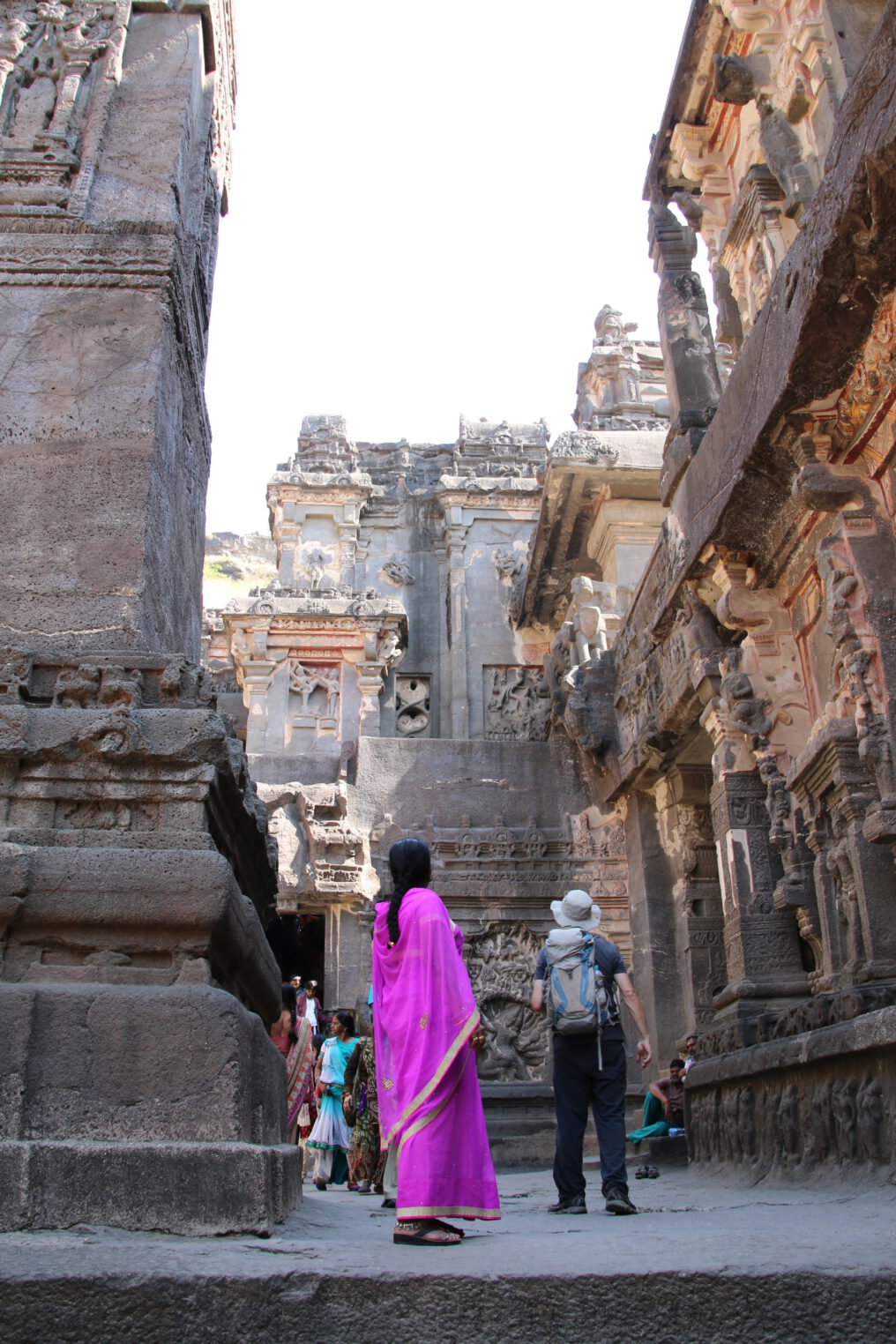
For some time I have been waiting. Actually, I like waiting. Waiting is a space and a time in which there is nothing else to do but wait for time to pass. Usually, you cannot do much else except read or talk, or think. Waiting times are therefore always free spaces for me. I especially like waiting in citizens’ service centers, for example; here, all people are equal. Together with others, I am in a space where there is nothing to do but wait for time to pass. This waiting together allows real encounters.
An encounter always has something astonishing about it. An encounter takes place when there is someone or something facing you that reciprocates it. The most beautiful kind of encounter is one entirely free of aims or expectations. In this connection, Deleuze also speaks of the encounter with art. At first, that surprised me. For an encounter, I always thought, is intersubjective. Two questions now arise: can art be intersubjective, and are art spaces such as museums perhaps waiting rooms too?
A New Life
My waiting at the moment is a long waiting. For several weeks, I have been waiting to begin a new life. The waiting is determined by applying for a visa. This process of granting visas—embassies and consulates as well as other state agencies—is in a different temporal dimension anyway. It has something Kafkaesque about it, its own logic, which has become quite detached from the processes of the outside world.
This long waiting, then, enables encounters, but again quite differently from what I thought. People react very strongly to my waiting. Many experience my step of daring a new life as a challenge. They reflect on their own situation, or feel that they can now tell me things they might not otherwise tell, since I am leaving their lifeworld anyway. But perhaps they also hope to discover another perspective through me. Be that as it may, I have quite intense encounters. I pour out my heart, and others open up.
An Encounter, Encountering One Another, Participating
Participation seems to me to be an important element of encounter. To encounter the other person, this openness is important: to leave oneself (Deleuze sometimes speaks of a deterritorialization) and become something else (metamorphosis). When, for example, I travel by train, or look around me at a concert, sit on a park bench or in a café, I often see people who are also looking around. Many seek an encounter. Often we are too shy actually to exchange words, but the first encounter has already taken place: opening oneself to the other, and perceiving the other.
It seems to me that we have forgotten how to really participate. A smile or a brief word, a little sympathy. In India, people say Namaste; in this greeting, the encounter expresses itself. It is not about wishing each other a nice day, or greeting God, but seeing that in the Other there is also part of what makes me what I am.
What does this have to do with art? Everything.
Leave a Reply