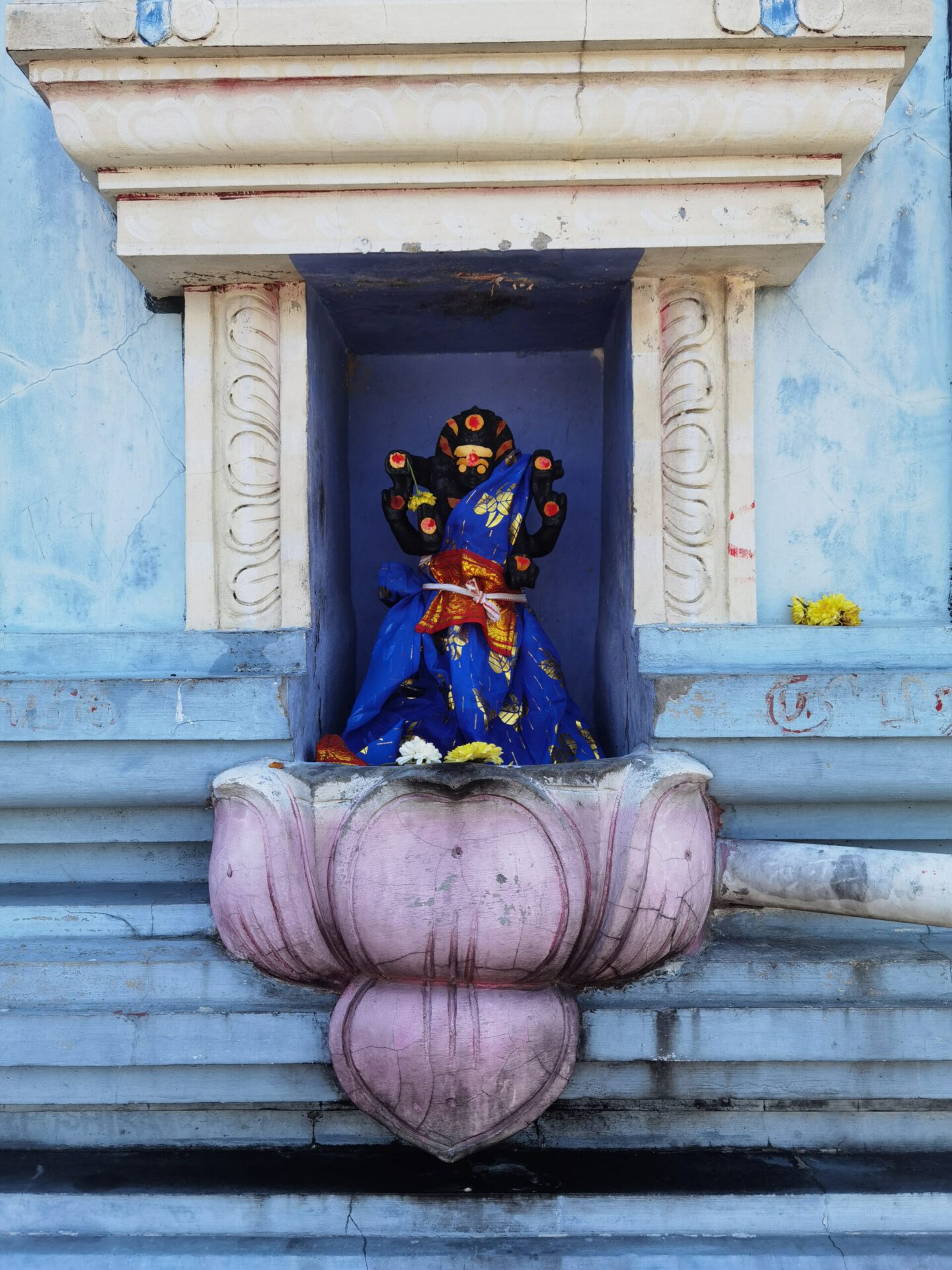
Image of thought
Learn how a colorful character in the seminar questions systematic scholarship and finally takes refuge in aesthetic theory.
WeiterlesenNew Spirits – Reading Deleuze in India
Consciousness exists only in connection with other consciousness
Learn how a colorful character in the seminar questions systematic scholarship and finally takes refuge in aesthetic theory.
Weiterlesen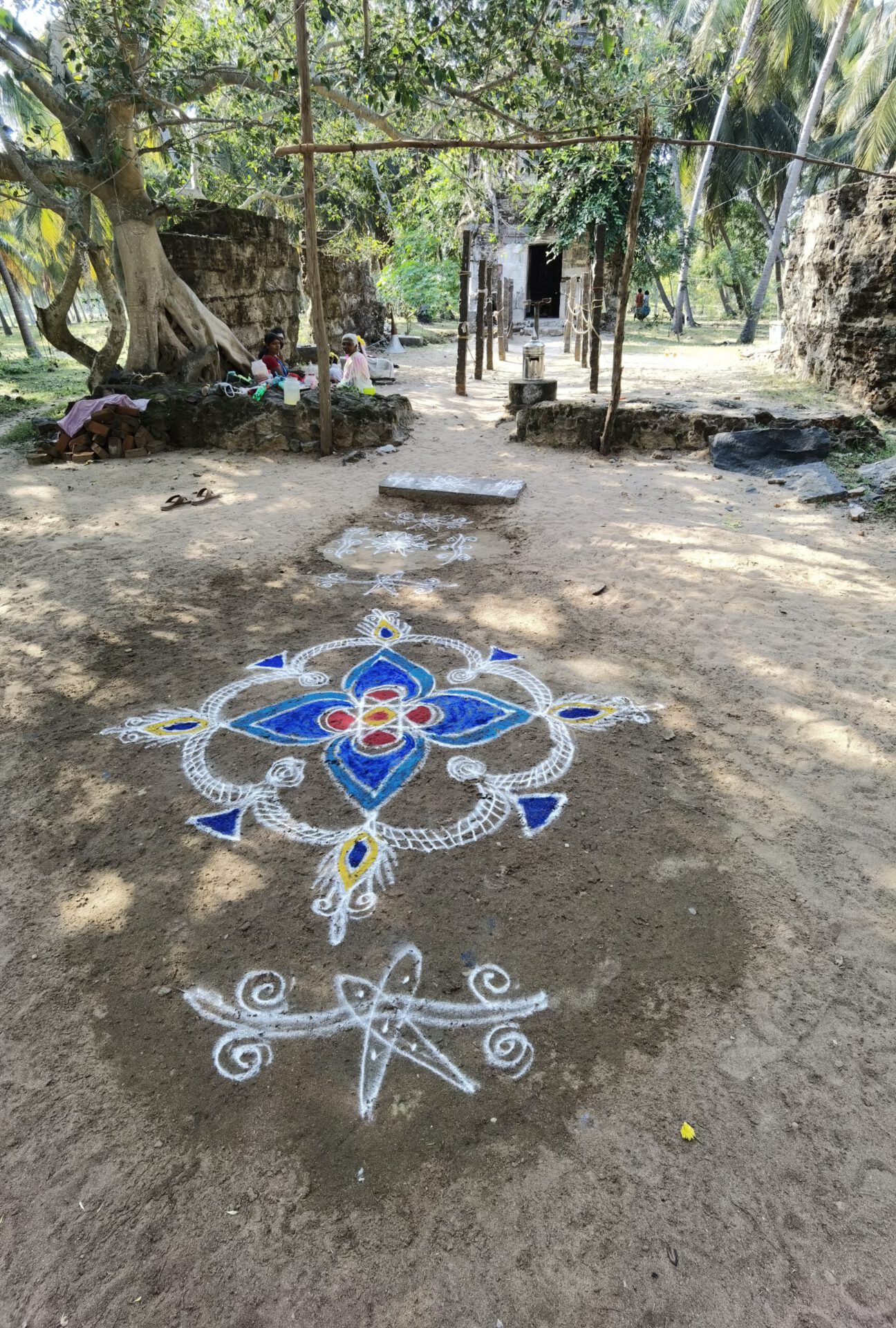
Recently a friend asked me about the relationship between Eastern and Western culture. Of course that is an enormous question, one I also ask myself and one that, of course, no one can really answer. But I want to formulate a few thoughts: Distance From an Imagined Center Facing the ‘Western’ world, based on classical antiquity, Christianity, the Enlightenment and materialism, is the Occidental world of the Assyrians and Persians, of Islam and the conception of a divinely guided polity.…
Weiterlesen
Discover the significance of the five senses and learn how proprioception as a possible sixth sense constitutes a revolution. Immerse yourself in the world of perception and consciousness. #Philosophy
Weiterlesen
The last time I seriously asked myself what I should do was during my studies. I studied philosophy and was often asked what I wanted to do with it. What a stupid question, I always thought. It is an inner urge, almost a compulsion, that you cannot oppose. Every such attempt must fail; there is only a thinking forward. So it was not really the question of what I should do, or what was to be done, or how the…
Weiterlesen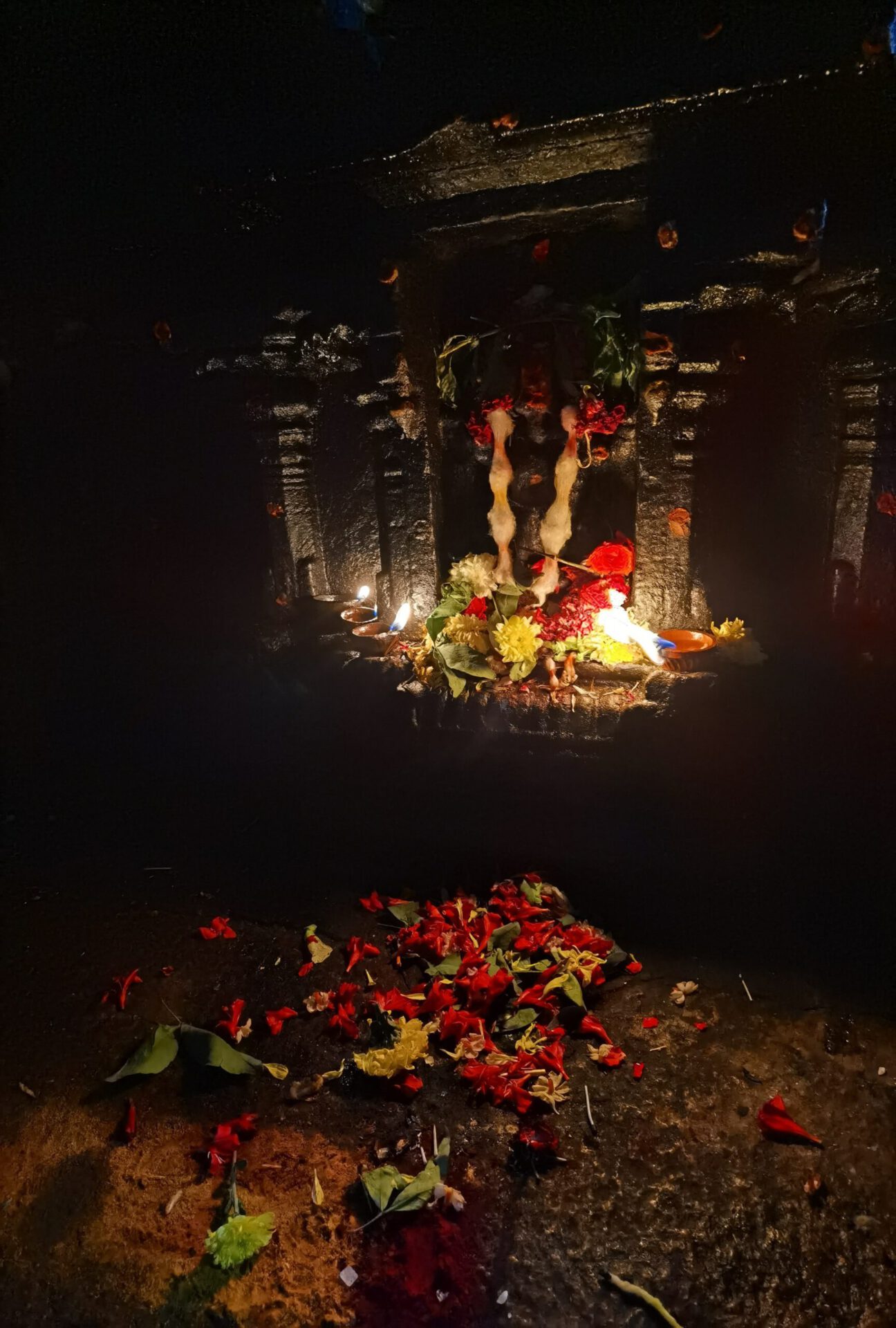
I remember that ever since childhood I have always stared into the fire in the fireplace. Many do this, I think. There is something fascinating about fire. In the Vedas, Agni is the god of fire, one of the 5 elements alongside water, air, earth and ether. These elements exist among the Greeks too. For a very long time I did not understand this and found it ‘unscientific’. I thought of the elements from the perspective of physics and chemistry,…
Weiterlesen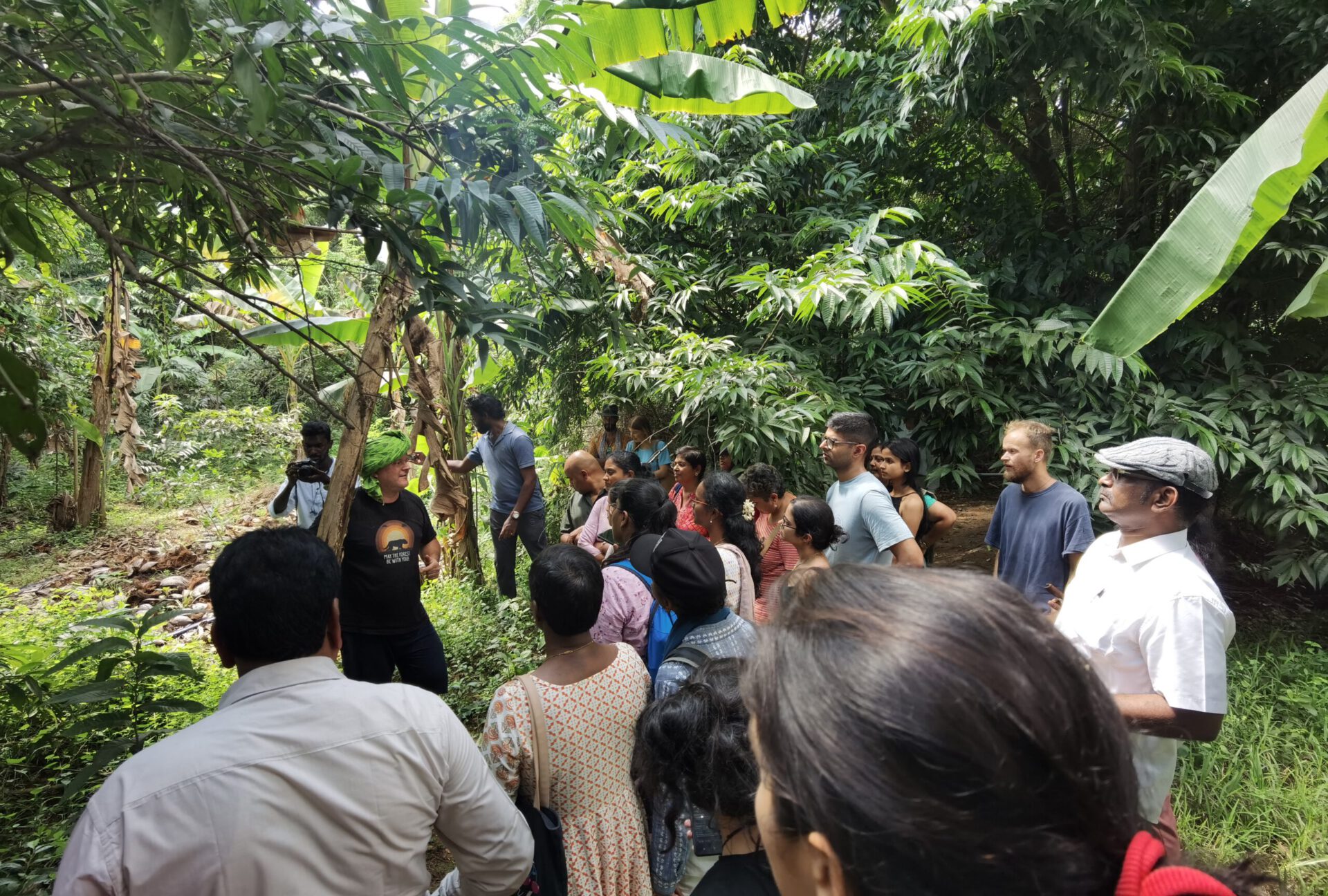
The Solitude Farm in Auroville is a ‘food forest’. This is one of the few English terms that is difficult to express in German through a compound word (Esswald?). We do not have such a thing, and find it difficult to think about it too. An orchard that we would allow to grow wild with other edible annual plants and shorter-lived plants until we had a dense jungle consisting entirely of edible plants… I am looking for a word for…
Weiterlesen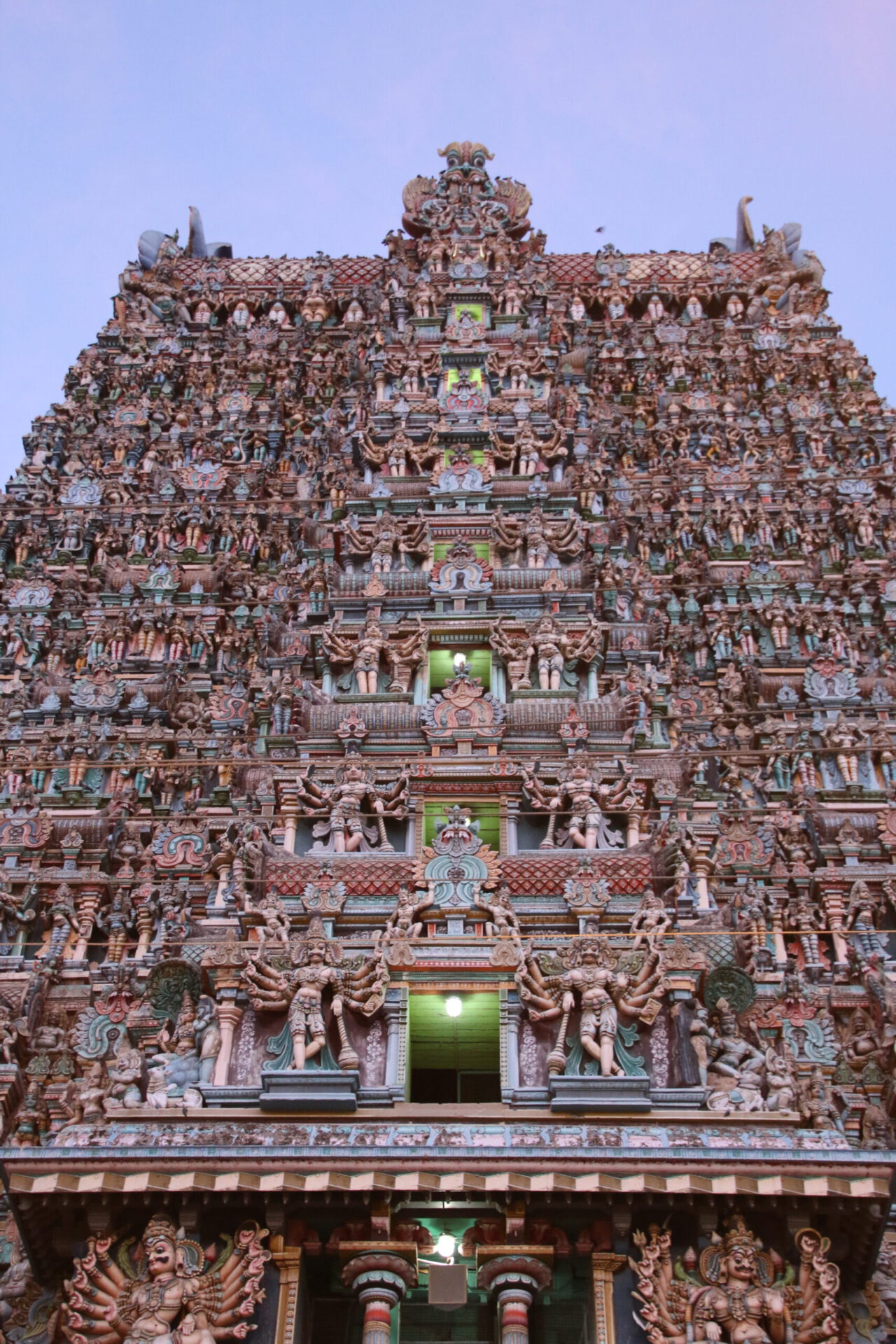
Schopenhauer, who was a great admirer of the Upanishads, wrote a small book, “On the Fourfold Root of the Principle of Sufficient Reason” (1847). He identifies four forms of causality, for example, small cause—large effect, or large cause—small effect, and so on… This fascinated me because it offers a broader understanding than the purely scientific model, which ultimately always follows the law of conservation of energy. When someone declares a war, for example, that is a relatively simple act (small…
Weiterlesen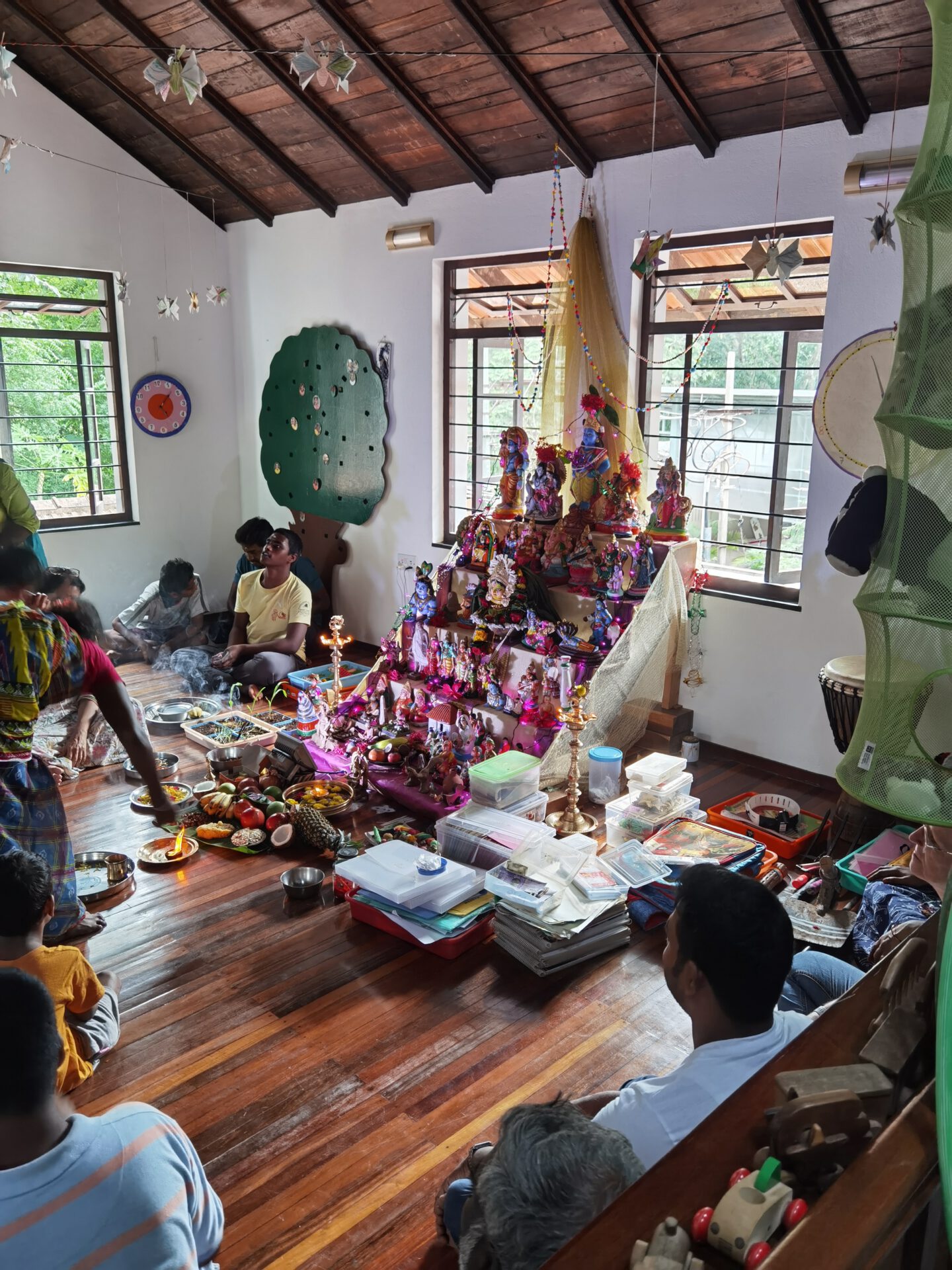
Today I was at a place for village children with special needs (Deepam). Someone from the guesthouse here had invited me to accompany her. It was a kind of ceremony as part of Navarathri in honor of the goddess Saraswathi—she stands for education, prosperity and success. In India today, the objects needed for work were cleaned and consecrated as a kind of thanks. Offerings were brought to them, and there was singing. At the therapy center, alongside figures, books and…
Weiterlesen