Ramana, one of India's great enlightened beings, lived in Tiruvannamalai. At the core of his teachings is the concept of the Self: its emptiness and at the same time immeasurable vastness. His teachings are simple; he does not follow a long tradition of interpretations. He was a simple man who meditated on the mountain and held satsangs. As a contemporary of Aurobindo, people [...]
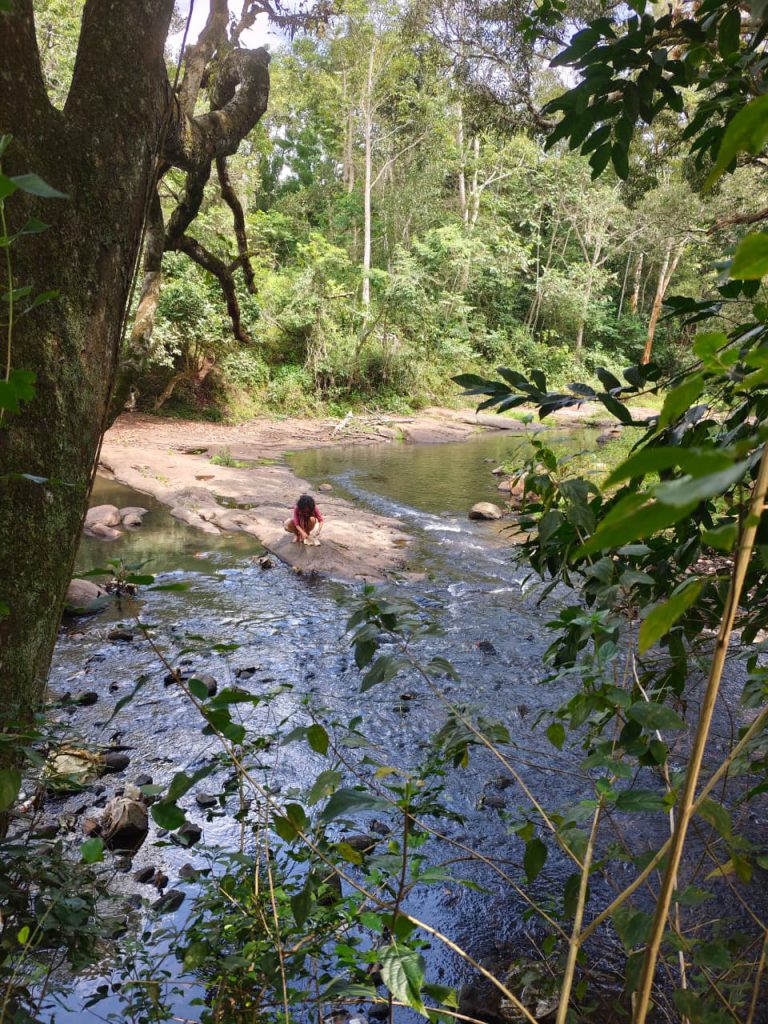
Koan
A koan, then. I'd heard of them before, those mysterious Zen riddles that are meant to lead the mind out of the purely rational and open up new forms of insight. I decided not to read much about them nor to ask others about them. I wanted to get one from a Zen master. While Doksan asked me a […]
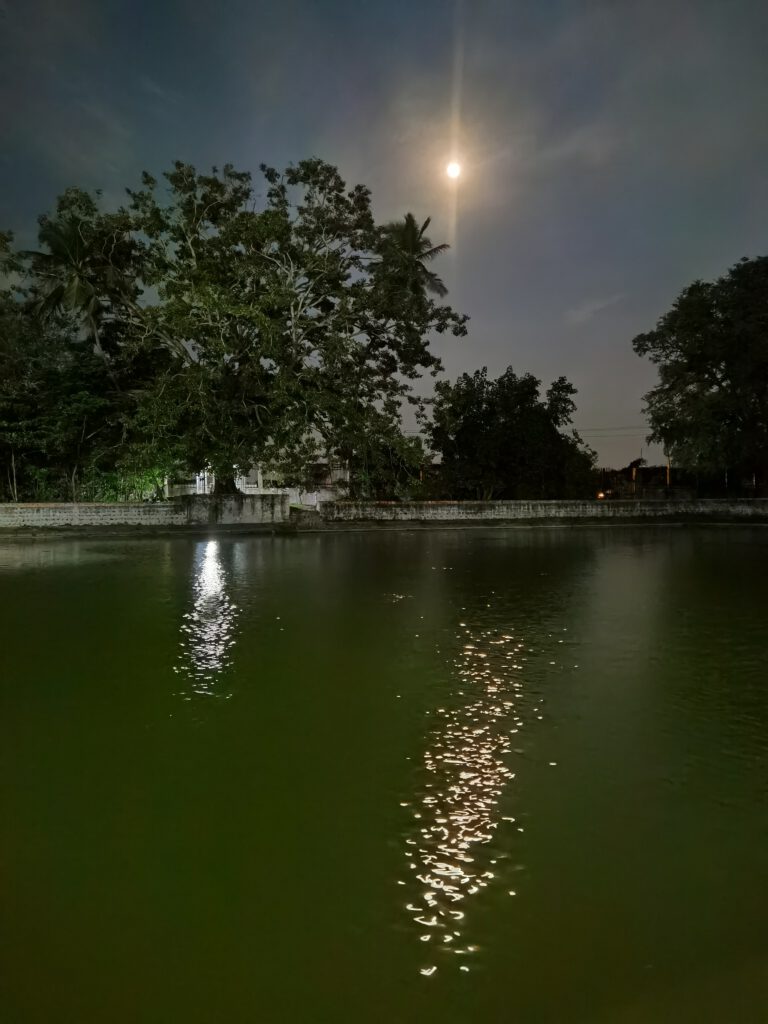
Full moon
It's a full moon in India. Time for self-reflection, meditation and inner reflection. I've never really thought about death before. It has always been a boundary for me, the thing that defines our existence in a negative way. Finitude throws us back on ourselves, or so I thought. I somewhat agreed with Heidegger here. Something [...]
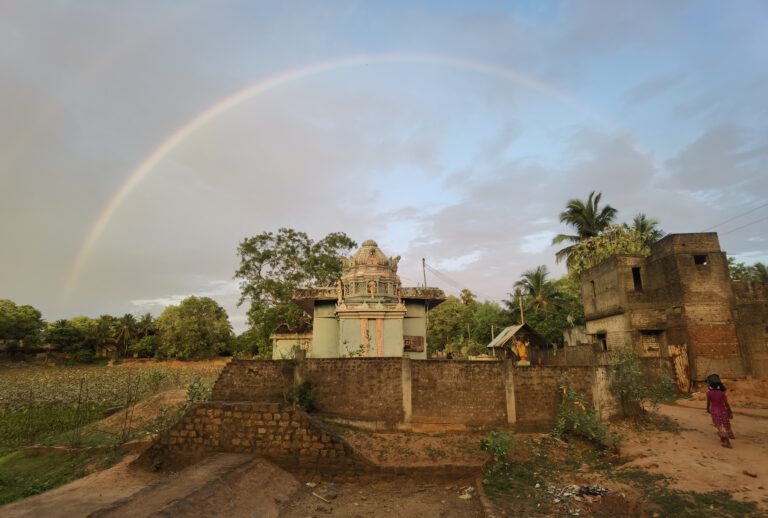
The bearable lightness of being
Sometimes meditation is very simple and natural. I sit down, go into my body, become aware of my sensory apparatus and how my consciousness and mind deal with it, bring everything to a rest and higher consciousness manifests itself, a different kind of knowledge, space and time, a different world of experience… But sometimes it is also difficult, and then […]
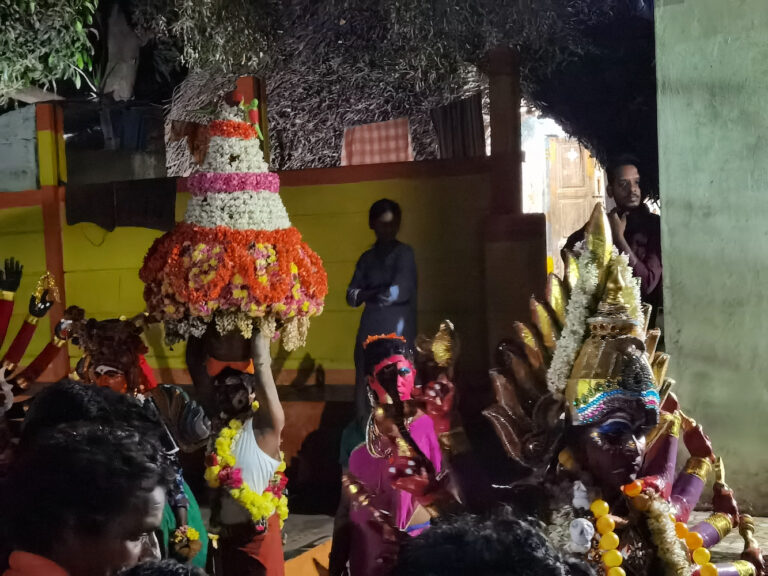
Superficiality
I am slowly penetrating a little deeper into the superficiality. Concepts that I have absorbed from different knowledge systems such as the Vedas, Agamas, Shastras are slowly connecting. I see rough root systems. For example, how the 5 elements (water, fire, earth, ether and air) as a starting point in the teachings of the Vedas develop further in Vastu or Ayurveda, i.e. in [...].
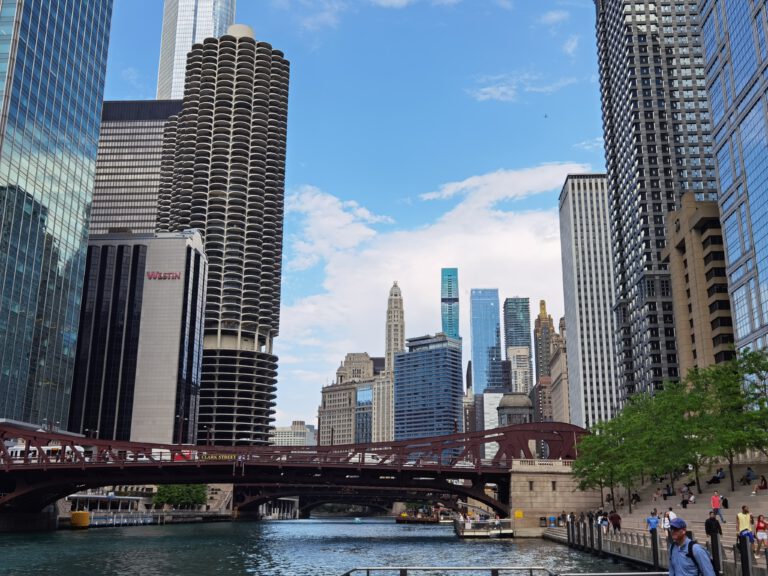
Culture shock and the abodes of the gods: my experiences in India
Find out more about culture shock and the connection between consciousness and body in India in this article. The Vedas play an important role in this.
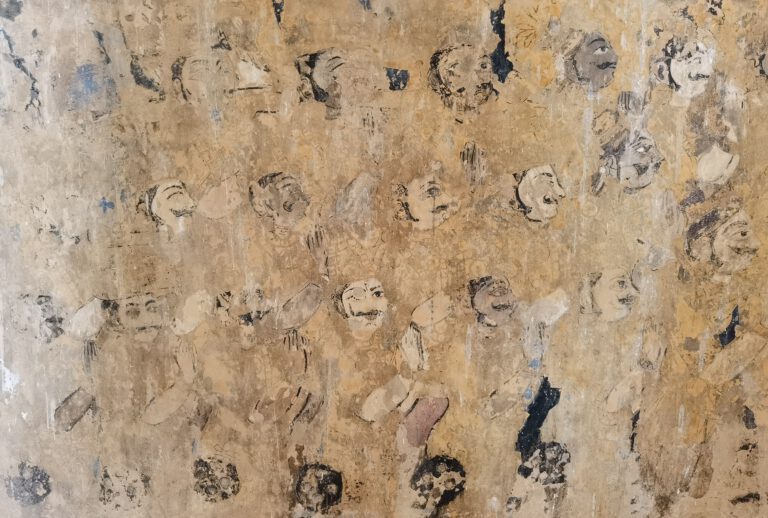
Why are we here - the importance of meaning and community in the city
This text deals with the question of the meaning of life and how a city should be organized to meet the needs of its inhabitants.
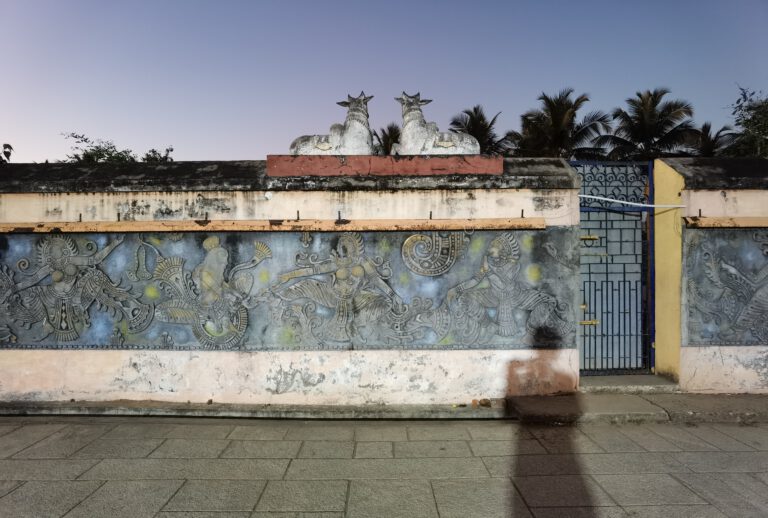
Memory
In India, the books of the Vedas have been kept in memory for 3000 years. The Rigveda (10,552 verses), Samaveda (1549 verses), Yajurveda (4001 verses) and Atharvaveda (5977 verses) as well as the Upanishads (approx. 1800 verses) have been passed down from generation to generation. The grammar of Sanskrit has not changed significantly and the pronunciation is characterized by exact phonetic [...]